
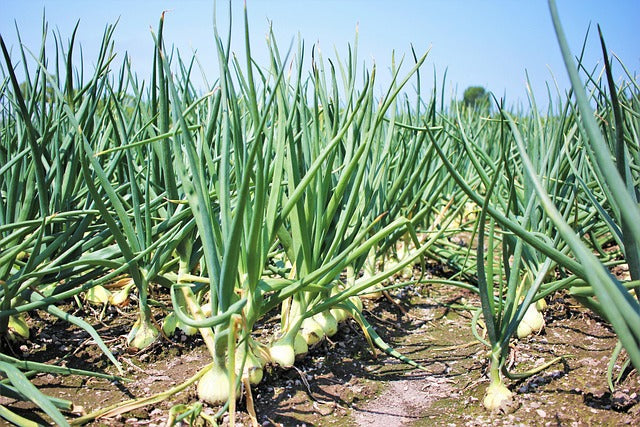
If you have ever pulled a disappointing spring-planted onion, pale, small, and half-bolted; you already know something has gone wrong in the timing. The EU's organic retail market grew by 5% in 2024, reaching 49.5 billion, and home growers across Europe are following suit, reaching for organic over conventional at every opportunity. Yet most of them are still planting onion sets in spring out of habit, not because it is the best method. The evidence strongly favours autumn planting, and once you understand why, you will not look back.

Key Takeaways
-
Earlier harvest by 6-8 weeks: By sowing from September to November, gardeners allow onions to establish over winter and begin bulbing in spring, giving them a 6-8 week advantage over spring-planted varieties. Use this head start to plan a second crop in the same bed.
-
Better flavour and larger bulbs: Autumn planting reduces competition with spring-planted crops and often results in larger onions with better flavour. If flavour matters in the kitchen, autumn planting is the logical choice.
-
Lower bolting risk with the right variety: Overwintering (Japanese) onion sets can be planted in autumn for harvesting in June and July, these are less sensitive to cold, which would otherwise cause bolting. Choose a certified Japanese overwintering variety and bolting becomes far less of a concern.
-
Organic growing is the right match: Organic fertilisers provide a slow, steady release of nutrients, which is ideal for onion growth. Autumn-planted sets have all winter to draw on those nutrients before the main growth rush in spring.
-
Autumn is a lighter workload season: Overwintering onions helps distribute gardening tasks more evenly throughout the year, avoiding the rush of spring planting. Planting in October means spring beds are free for tomatoes, courgettes, and other hungry crops.
Quick-Start Prioritisation Framework
| Strategy | Best For | Effort Level | Time to Results |
|---|---|---|---|
| Autumn organic sets (Oct-Nov) | All home gardeners, Europe | Low | June-July harvest |
| Spring sets (Mar-Apr) | Cold-region growers with heavy frost | Low | August-September |
| Autumn seed sowing | Experienced growers wanting variety choice | Medium | June-July |
| Spring seed sowing | Growers prioritising long-term storage | High | Late summer |
Start here if you are:
-
A beginner or time-poor gardener: Autumn organic sets, minimal effort, earlier reward, and no thinning required.
-
An experienced grower: Autumn organic sets combined with a crop rotation plan, using the freed-up spring bed for heat-loving crops.
-
In Hungary or central Europe: Autumn planting works well in the continental climate, aim for October as your target window before hard ground frost arrives.
The Root System Advantage That Changes Everything
How Autumn Sets Build Their Strength Underground
Planting in October or November allows the onion sets to establish their root system before winter sets in. This early start gives the onions a head start when spring arrives, leading to healthier and more vigorous growth. Think of it like charging a battery over winter. By the time the March sun begins warming the soil, those roots are already in position to pull in nutrients and moisture at full speed.
Autumn sets develop strong root systems over winter so that they are ready to put on growth immediately as soon as the warmer temperatures arrive and the days start to get longer. Spring-sown sets, by contrast, are still building that foundational root network at exactly the moment they should be channelling energy into bulb formation.
When planting bulbs in autumn, the soil is warmer, so the sets may establish a strong root system before winter sets in, allowing for faster growth. Soil in October across much of Hungary and central Europe still holds warmth from summer, conditions that are ideal for root establishment but not warm enough to trigger premature top growth.
Pro tip: Aim to have your sets in the ground at least four to six weeks before the first hard frost. In Hungary, that generally means planting between early and mid-October. The sets need enough time to root but should not push up significant leafy growth before the cold arrives.
Why Spring Sowing Starts on the Back Foot
Spring-sown sets face a difficult balancing act. The soil is cold and often wet, slowing root development just as the days lengthen. Spring sets are planted from mid-March to mid-April to April and mature later, usually from late summer into autumn. Due to their earlier start, autumn sets produce a smaller bulb but are ready for harvest in early summer. The trade-off between harvest timing and bulb density is real, but for most kitchen gardeners, a reliable June harvest of good-sized organic onions is worth more than a slightly larger bulb in September.
Earlier Harvest Means More from Your Plot
Filling the Hungry Gap
Autumn-sown sets will usually be ready to harvest around 6 weeks before spring-sown sets, and much earlier than onions grown from seed. In practical terms across central Europe, that translates to fresh onions on the table in June rather than late August. For anyone who has ever reached into an empty onion basket in early summer, that gap is anything but trivial.
Because autumn-planted onions are harvested around a month earlier, you can potentially immediately follow them with another crop that would be too late to plant a month later. Sweet corn and winter squash are examples. This makes the autumn onion bed one of the hardest-working spaces on any allotment or kitchen garden.
Soil Use and Nutrient Retention
Planting in autumn also means you are using soil that would otherwise be bare, which helps to retain nutrients that would otherwise be leached away by winter rains. Bare soil over a European winter is essentially wasted ground, nutrients wash away, structure compacts under rain, and weeds colonise freely. Autumn onion sets solve all three problems at once.
Pro tip: Follow onion sets with a shallow layer of organic mulch, straw or shredded leaves work well. When fall planting onions, adding a half-inch layer of shredded leaves or straw over the newly planted onion bed will prevent weeds from germinating and keep moisture in the soil.
Organic Growing and Autumn Sets: A Natural Partnership
Why Organic Sets Make Sense for the Home Grower
Organic fruit and vegetables take the lead with over 40% of total organic food sales in the European market. Demand is growing, and growing your own is the most direct way to meet it. Organic onion sets, free of synthetic treatments and fungicide dressings, align with the principles behind that demand: healthier soil, cleaner produce, and more resilient growing systems.
Onions prefer loose, well-drained soils that are high in fertility, slightly acidic, adequately irrigated, and exposed to full sunlight. The looser the composition of your soil, the larger your onion bulbs will grow. Autumn planting gives you an entire growing season to prepare organic matter into the bed, working with composted material that is properly broken down and ready to feed hungry roots.
Soil Preparation for Organic Success
According to the Royal Horticultural Society's growing guide, onions have a limited root system, so improving the soil with organic matter before planting is invaluable. The RHS recommends digging in a bucketful of homemade compost before setting any bulbs.
Onions prefer a slightly acidic to neutral pH of 6.0 to 7.0. Amend your soil with compost or aged manure to improve fertility and drainage. This step is vital as onions do not fare well in overly wet conditions. If your garden soil sits at the heavy or clay end of the spectrum, raised beds or the addition of grit will pay dividends come harvest time.
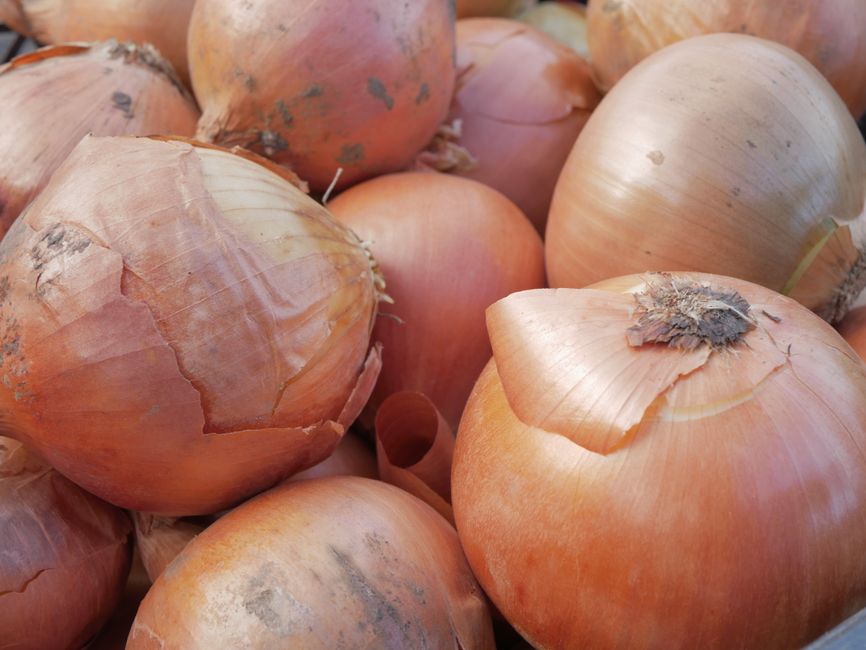
The Grow Organic planting guide recommends preparing the bed by incorporating fully broken-down animal manure or plant-residue compost, and avoiding beds where onions or garlic have been grown in the past two years. The potential for fungal diseases like downy mildew and pink root can be greatly reduced by avoiding beds where onions, garlic, and other alliums have been grown within the last two years. Rotation is a cornerstone of organic growing, and autumn planting fits neatly into any sensible rotation schedule.
At Holland Kertészet, organic onion sets suitable for autumn planting are available alongside the compost, fleece, and soil amendments that make overwintering success far more likely. Sourcing certified organic sets means your crop stays chemical-free from the very first root.
Choosing the Right Variety for a European Climate
The Japanese Overwintering Varieties
Variety selection is the single most important decision for autumn planting. If you use a spring-sowing variety in the autumn, the cold temperatures are likely to cause the onion to flower before it is ready. Japanese varieties are not sensitive to the cold in the same way, and so are a great addition to your planting plan if you want an earlier harvest.
Senshyu Yellow is an autumn-planting onion with Japanese origin and an overwintering variety that has been popular for growers around the world. It is a reliable main crop that produces solid harvests of yellow-skinned, semi-flat bulbs. In the central European climate of Hungary, Senshyu Yellow performs consistently well, producing bulbs ready to lift by June or early July.
Senshyu Yellow has proven to be a hardy overwintering onion that can survive temperatures down to minus 18°C. That cold hardiness makes it a reliable choice even in Hungary's more continental inland regions, where winter temperatures can be severe.
The 'Radar' variety is another strong option. As Fruit Hill Farm's organic sets guide notes, Radar onions will be ready for harvesting in late May or June, at least 4-5 weeks before spring-planted sets will be ready.
Bolting: The Spring-Sown Problem Autumn Avoids
Bolting diverts the plant's energy away from bulb formation and into seed production instead. The result is smaller onions with woody centres that do not store well and develop a bitter taste. Spring-planted sets face this risk whenever cold snaps follow the initial planting, triggering the vernalisation response at exactly the wrong moment.
Bigger is not better when it comes to onion sets. Larger bulbs are actually more likely to stop growing and send up a flower shoot earlier. If you want to harvest bigger onions, plant the smaller sets. Aim for sets in the 10-21mm range for the lowest bolting risk.
Pro tip: If a flower stalk does appear on any plant, snap it off immediately at its base. Redirecting energy back into the bulb will at least give you an edible onion, even if it will not store as long as an unbolted one.
Planting, Care, and Winter Protection
Planting Depth and Spacing
Plant onion sets about 3cm deep with the pointed end facing upwards. Space sets approximately 10cm to 15cm apart in rows that are 30cm apart. The tip of the set should just break the soil surface, buried too deep and drainage becomes an issue; too shallow and birds will pull them out.
Planting onion sets is straightforward: plant directly into the ground, about 2cm deep, and with the pointed end at the top. After planting, firm the soil gently around each set and water in if the ground is dry.
Protecting Sets Through Winter
Onions are hardy, but they may need protection during extreme prolonged cold spells. If severe frosts are expected, cover the onion bed with horticultural fleece or cloches to provide extra insulation. Fleece is inexpensive and makes a measurable difference on nights when temperatures dip below minus 5°C.
Mulching is a crucial method for safeguarding overwintering onions. Apply a thick layer of around 7.5 to 10cm of mulch, such as straw or shredded leaves, to insulate the soil and shield onion bulbs from extreme temperature fluctuations and frost.

Stop adding nitrogen when onions start bulbing, too much nitrogen at this stage delays bulb development. For organic growers, this means easing off on compost tea or liquid feeds once you can see the bulbs beginning to swell in late spring.
Common Mistakes and How to Avoid Them
Planting Too Late
A fall-planted crop of onions needs at least 4 to 6 weeks of warm temperatures to become established in the ground. In Hungary and central Europe, aim for October as your target month. November planting is possible but carries more risk of the sets sitting in cold, wet soil without rooting properly.
Using the Wrong Variety
Planting a spring variety in autumn is the most avoidable mistake. Spring varieties respond to winter cold as a vernalisation signal and race to flower in early spring, long before a useful bulb has formed. Always check the variety description before buying: look for 'overwintering', 'Japanese type', or 'autumn planting' on the label.
Waterlogged Soil
Fruit Hill Farm's organic sets guide free-draining soil that is fertile, weed-free, and compost-enriched, in full sun. Waterlogged soil over winter causes basal rot, which can wipe out an entire bed. If your garden drains poorly, raised beds or a shallow ridge system will solve the problem with minimal effort.
Skipping Crop Rotation
Distorted or rotten bulbs can signal disease like basal rot. Avoid planting sets in the same soil year after year. A three-year rotation, moving alliums around the garden on a regular cycle, keeps soil-borne disease pressure low without any chemical inputs.
Frequently Asked Questions
When exactly should I plant autumn onion sets in Hungary?
The best time to plant autumn onion sets is from late September to early November. In Hungary's continental climate, early to mid-October is the sweet spot. The soil is still workable and warm enough for root establishment, but not so warm that the sets push up excessive leafy growth before winter. Avoid planting once overnight temperatures are consistently below freezing.
Can I use any onion set for autumn planting?
No. You must use varieties bred specifically for overwintering. Varieties bred for autumn sowing are not suitable for mid-spring sowings, and vice versa. Look for Japanese overwintering types such as Senshyu Yellow or Radar. Using a standard spring variety in autumn will almost certainly result in bolting.
How do autumn-planted onions compare on flavour?
Fall onions often grow much larger and better-tasting than those planted in the spring. The extended growing period, slow root development over winter, and earlier bulbing under cooler spring conditions all contribute to a more developed, well-rounded flavour. In my experience, autumn-planted organic onions have a noticeably sweeter, more complex taste than their spring counterparts.
What should I do if I expect a hard frost after planting?
If severe frosts are expected cover the onion bed with horticultural fleece or cloches to provide extra insulation. Remove the cover during mild, dry spells to allow air circulation and reduce the risk of fungal issues. Once the sets have rooted firmly, they become considerably more cold-tolerant, so protection is most critical in the first few weeks after planting.
Is autumn planting more work than spring?
Because overwintering onions bulk up earlier than spring-sown onions, there is usually less or even no need to water them, as spring rainfall typically handles moisture requirements during the key bulbing phase. Autumn planting fits into the quieter gardening season, spreads the workload across the year, and frees up spring beds for other crops. I've found it consistently less stressful than the spring rush.
Start This Autumn
In Hungary, the sowing area for autumn onion was 414 hectares in the most recent season, a number that reflects established grower confidence in the method. But the real opportunity sits with home gardeners, where the advantages of organic autumn sets are felt most directly: better flavour, an earlier harvest, and a garden that works harder for longer.
Whether you are planting your first bed or looking to improve a method you have used for years, autumn organic onion sets reward the effort with returns that spring sowing simply cannot match. Get your sets into the ground by mid-October, choose a Japanese overwintering variety, enrich your soil with fully broken-down compost, and protect against hard frosts with fleece. The rest takes care of itself.
Holland Kertészet stocks organic onion sets, compost, and all the accessories you need for a successful autumn planting season.
Sources
-
How to Grow Onions, Royal Horticultural Society. Comprehensive UK and European growing guide including autumn planting advice. https://www.rhs.org.uk/vegetables/onions/grow-your-own
-
Best Onion Sets for Autumn Planting, Simply Seed. Practical guide to autumn onion set selection and care. https://www.simplyseed.co.uk/blog/best-onion-sets-for-autumn-planting.html
-
Onion Sets: Everything You Need to Know, Heritage Garden Seed Company. Overview of set types, planting seasons, and size guidance. https://heritagegardenseeds.com/onion-sets-everything-you-need-to-know/
-
'Radar' Organic Onion Sets (Autumn/Winter Planting), Fruit Hill Farm. Organic-certified Radar variety with detailed planting instructions. Fruit Hill Farm's organic sets guide
-
Best Onion Sets to Plant in Autumn, Plants and Gardening. Seasonal timing, variety comparison, and European planting windows. Spring sets are planted from mid-March to mid-April
-
Planting Onions in the Fall, Savvy Gardening. Practical advice on timing, protection, and variety selection. https://savvygardening.com/planting-onions-in-the-fall/
-
Onions from Makó, Hungarikum Collection. Background on Hungary's onion-growing heritage and traditions. https://www.hungarikum.hu/en/content/onions-mak%C3%B3
-
5 Reasons Your Onions Are Bolting, Epic Gardening. Expert explanation of bolting causes and organic prevention methods. https://www.epicgardening.com/onions-bolting/
-
Onion Fertilizer Guide, Grow Organic. Organic feeding schedules and soil preparation for alliums. https://www.groworganic.com/blogs/articles/how-to-grow-onions
-
How to Grow Organic Onions, Gardenary. Step-by-step organic onion growing including compost preparation. https://www.gardenary.com/blog/how-to-grow-organic-onions
-
Organic in Europe, IFOAM Organics Europe. EU organic farmland area, producer numbers, and retail market data for 2024. The EU's organic retail market
-
Europe Organic Vegetables Market, Market Data Forecast. Market size, CAGR projections, and growth drivers for organic vegetables in Europe. https://www.marketdataforecast.com/market-reports/europe-organic-vegetables-market
-
Stable Base, New Directions in Hungarian Onion Production, Trademagazin. Data on autumn and spring onion cultivation area in Hungary. https://trademagazin.hu/en/stabil-bazis-uj-iranyok-jellemzik-a-hazai-voroshagymatermesztest/
-
How to Overwinter Onion, Forward Plant. Complete winter care guide including mulching and protection techniques. https://www.forwardplant.com/care/overwinter/allium-cepa/
-
Onion 'Senshyu' (Autumn Planting), Suttons Seeds. Variety profile and planting instructions for Senshyu Yellow overwintering onion. https://www.thompson-morgan.com/p/onion-senshyu-autumn-planting/aww4030TM
-
Overwintering Onions, Vegan Organic Network. Organic approach to overwintering onions including variety selection and rotation. Because overwintering onions bulk