
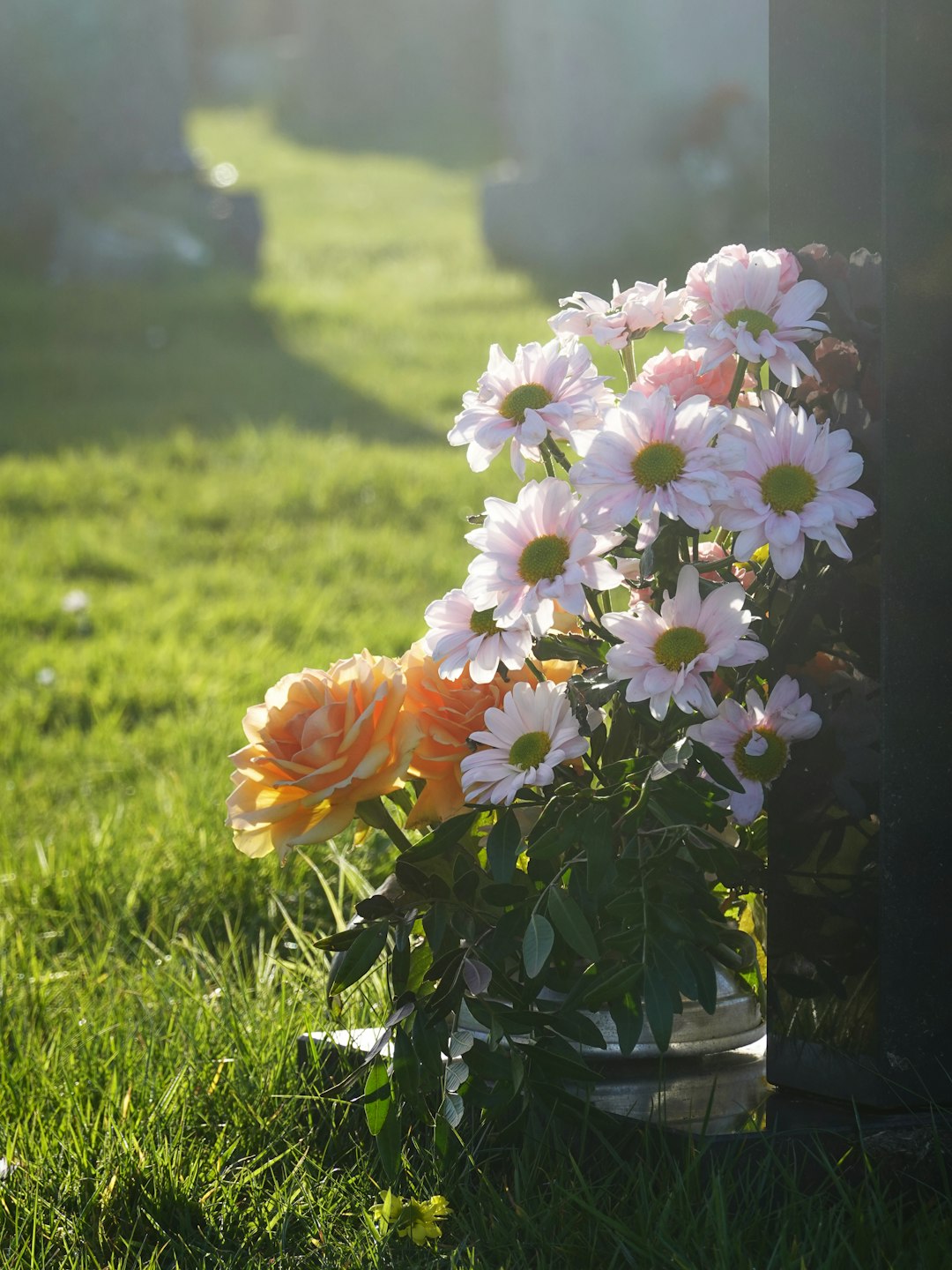
Every year on 1 November, cemeteries across Europe are transformed by colour. Families fill cemeteries, placing flowers on the graves of their departed loved ones, and the rush to find the right plants is real. Popular plants such as bud heather, chrysanthemums, and ornamental cabbage often sell out quickly when the rush around All Saints' Day increases. Start planning early, not just to beat the queues, but because plants that have had a few weeks to establish their roots survive the winter far better than those planted at the last minute.
This guide covers the best autumn flowers and plants for grave planting, which combinations look most beautiful together, and how to approach the whole thing practically.

Key Takeaways
-
Plant several weeks before 1 November: You should start tending the grave several weeks before All Saints' Day. Give the new greenery time to take root so that it survives the winter better. Therefore, aim to plant in early to mid-October rather than at the last minute.
-
Chrysanthemums are the classic choice, but think beyond them: Chrysanthemums are a classic choice for grave arrangements; they are sturdy, long-lasting, and symbolise loyalty and respect. Pairing them with Calluna heather, ivy, and a small conifer creates a planting that endures well past the holiday itself.
-
Choose plants for winter durability, not just instant impact: For the autumn, it is important to choose plants that can withstand low temperatures and are frost-resistant. A grave that looks beautiful on 1 November but collapses by December is a missed opportunity.
-
Combine seasonal flowers with structural evergreens: Choose a combination of permanent and seasonal plants. For permanent planting, especially ground-covering or hardy plants that require little water are suitable.
Quick-Start Prioritisation Framework
| Plant | Best For | Effort Level | Lasts Until |
|---|---|---|---|
| Chrysanthemum | Instant colour and tradition | Low | Late November |
| Calluna heather | Long-season colour + structure | Low | Spring |
| Viola / pansy | Filler colour between larger plants | Low | Spring |
| Ivy | Evergreen ground cover | Very low | Year-round |
| Skimmia japonica | Winter berries, shade tolerance | Low | Year-round |
| Dwarf conifer | Structural backbone | Very low | Year-round |
Start here if you are:
-
Visiting the grave only once a year: Choose ivy plus a dwarf conifer plus Calluna heather. These three need minimal care and will look dignified through winter without intervention.
-
Wanting a showstopping display for 1 November: Add chrysanthemums and violas to the above framework for a full seasonal display that also has lasting evergreen structure underneath.
-
Short on time and shopping early: Buy a pre-planned combination set if available. Holland Kertészet offers seasonal plant selections that take the guesswork out of creating a coordinated grave planting.
The Star of the Show: Chrysanthemums
The chrysanthemum stands for "eternal life." Decorating the grave in a special way on All Saints' Day and All Souls' Day shows respect for the dead.
The chrysanthemum's connection to death in Catholic Europe is both symbolic and pragmatic: it blooms in late autumn, survives cold November weather, and stays fresh on a grave for weeks after the All Saints' Day ceremony. That combination of meaning and durability is exactly why it dominates cemetery displays across Hungary, France, Belgium, and Poland every November.
In my experience, the single biggest mistake people make is buying the cheapest, most overgrown pot from a forecourt stall on the morning of 1 November. Those plants have often been under stress, have not had time to root into the grave soil, and fade within days. Buy earlier, choose compact, bushy plants, and water them in thoroughly on planting day.
For colour combinations, try these approaches:
-
Traditional white and green: White chrysanthemums with white roses, evergreen foliage, and a trailing ivy.
-
Warm autumn: Bronze or orange chrysanthemums with rosehips, burgundy foliage, and pinecones for texture.
-
Elegant burgundy: Deep red chrysanthemum with a dark conifer and Skimmia japonica for glossy berries.
-
Soft remembrance: Pale pink chrysanthemum with cream roses and eucalyptus.
Choosing the Right Variety
With their lush, spherical flowers in yellow, orange, red, or white, chrysanthemums bring a lot of colour to the autumnal grave. Depending on the variety, they bloom well into late autumn and are effective both individually and in combination with other autumn plants.
Look for compact varieties rated as garden-hardy rather than florist varieties, which are bred for indoor display and rarely cope with November frosts.
Pro tip: The grave arrangement should be proportionate to the size of the grave. Designs that are too lavish can feel excessive, while planting that is too sparse may appear undignified. Aim for an odd number of plants, groups of three, five, or seven, for a naturally balanced appearance.
Hardy Supporting Plants That Carry the Display Through Winter
Chrysanthemums may be the focal point, but the plants around them are what keep a grave looking cared-for through December, January, and February.
Calluna Heather
Calluna heather is a hardy plant with a hardiness rating of H7, meaning it can withstand even the coldest of winters below -20°C. For a grave planting in Central Europe, that level of cold-tolerance is everything. Heather is an ideal plant to offer around All Saints' Day due to its symbolic meaning and delicate beauty. This flowering plant is often associated with resistance and protection, making it a fitting choice to pay tribute to the departed.
Heather comes in white, pink, mauve, and deep crimson, making it versatile across any colour scheme. A Calluna planted in early October will have established roots well before the first hard frost arrives.
Viola and Winter Pansy
Pansies and violas are hardy plants and will survive a frost, and even a hard freeze, for a period of time. Depending on how hard the frost was, flowers that were blooming may wither, but the plants will stay alive. The Old Farmer's Almanac pansy guide notes that pansies are technically hardy to USDA Zone 3, making them extremely reliable for European autumn and winter conditions.
Violas are smaller-flowered than pansies but often tougher. They are cool-weather frost-tolerant plants. Use them as low filler between your chrysanthemums and structural evergreens. Their cheerful faces add warmth without overpowering the more dignified elements of the planting.
Ivy
The evergreen ivy is a tried-and-tested ground cover that is ideal for planting over large areas or edging a grave. It also thrives in shady locations, is extremely easy to care for, and reliably suppresses the growth of weeds.
Ivy is a popular structural plant for grave mounds. It provides greenery all year round and symbolises immortality. A single pot trailed across the front of the grave creates a sense of permanence and quiet care, even during the months between family visits.
Skimmia Japonica
Skimmia either becomes covered in bright red, orange, and white berries or eye-catching buds of red or white flowers in winter, depending on the species. It is one of the few plants that earns its place specifically because of what it does in winter, and it does it without requiring any attention at all.
Skimmias are evergreen shrubs that are extremely valuable for their multi-season displays, especially in winter. Their glossy evergreen leaves provide a lovely contrast to their fragrant white or yellowish flowers in April and May and long-lasting winter berries. Plant one in the back corner of a grave arrangement and it will anchor the display with colour and structure for years to come.

How to Plant: Timing and Preparation
During the weeks leading up to All Saints' Day, temperatures are usually still mild and the soil is warm enough for new plants to grow well. At the same time, the main flowering period for summer plants is over and it is a good time to remove faded planting and replace it with robust autumn plants.
In practical terms: begin in late September or early October.
Before replanting the grave, it is important to prepare the soil. Healthy plant growth requires loose soil that allows water to pass through. Most winter plants need an airy and nutrient-rich soil as a base.
After planting, add a thick layer of mulch to help retain moisture and keep the plants' roots cool. Plan to water the plants a couple of times in the first few weeks to help their roots get established. After that, most of the plants listed here will cope on rainfall alone through the autumn and winter months.
Pro tip: If you cannot visit the grave regularly in the weeks after planting, choose the most drought-tolerant options from the list above: ivy, Calluna heather, and a dwarf conifer. These three require virtually no intervention once established and will carry the grave through winter without the need for watering visits.
Common Mistakes to Avoid
-
Buying plants only on 31 October or 1 November, when popular varieties have sold out and the remaining stock is stressed and root-bound.
-
Planting only chrysanthemums with no evergreen structure underneath. When the chrysanthemums finish in late November, the grave will look bare until spring.
-
Forgetting to check cemetery regulations. Some cemeteries restrict planting to specific zones or prohibit certain species such as vigorous climbing ivy.
-
Overcrowding the grave. Consider the space available on the grave and whether you prefer a single bouquet or several smaller arrangements.
-
Planting Skimmia in full sun. Skimmia prefers a position in shade and can even tolerate positions in deep shade. A sunny south-facing grave is better suited to heather and viola.

Frequently Asked Questions
When should I plant flowers on a grave for All Saints' Day?
Plant in early to mid-October, ideally three to four weeks before 1 November. This gives plants time to establish their root systems before the cold intensifies. You should start tending the grave several weeks before All Saints' Day and remove the summer plants. Give the new greenery time to take root so that it survives the winter better.
Which plants are best if I can only visit the grave once or twice a year?
Ivy, dwarf conifers, and Calluna heather are the most reliable low-maintenance options. When visits to the grave are infrequent, it is best to choose plants that can grow without regular watering. Ground ivy, sedum, and periwinkle handle drought well. They form beautiful carpets without requiring fertilisation or pruning. For seasonal colour, add winter violas, which largely look after themselves.
Are chrysanthemums frost-hardy enough to survive beyond November?
Many varieties will cope with light frost, but not hard freezes. The chrysanthemum is the king of autumn, but it resists part of the winter. For a grave that stays attractive through December and beyond, treat chrysanthemums as the seasonal focal point and rely on heather, ivy, and Skimmia to carry the display through the coldest months.
Can I plant a ready-made combination rather than buying individual plants?
Yes, and it is often the most practical approach. A coordinated set of three, five, or seven plants, such as a Calluna plus viola plus ivy plus small conifer combination, can be planted several weeks before 1 November and requires no colour-matching decisions at the nursery. Holland Kertészet offers seasonal planting combinations suited to exactly this kind of occasion.
Sources
-
All Saints' Day Grave Planting Guide, Grabhelfer.de. Practical advice on autumn grave care and plant selection. https://www.grabhelfer.de/en/ratgeber/all-saints-day/
-
Grave Planting for the Fall, Grabhelfer.de. Timing guide for autumn replanting. https://www.grabhelfer.de/en/ratgeber/grave-planting-for-the-fall/
-
All Saints' Day Grave Flowers, Moblumen.com. Plant symbolism and arrangement guidance. https://www.moblumen.com/en/blogs/flower-knowledge/all-saints-day-grave-flowers
-
Calluna vulgaris: Planting and Caring for Heather, Plantura Garden. Hardiness ratings and care advice. https://plantura.garden/uk/trees-shrubs/calluna-vulgaris/calluna-vulgaris-overview
-
Skimmia japonica: The Winter Plant That Looks Beautiful All Year, Boma Garden Centre. Display and variety guidance. https://www.bomagardencentre.co.uk/news/347/skimmia-japonica-the-winter-plant-that-looks-beautiful-all-year
-
How to Grow Skimmia, BBC Gardeners' World Magazine. Growing and care guide. https://www.gardenersworld.com/how-to/grow-plants/how-to-grow-skimmia/