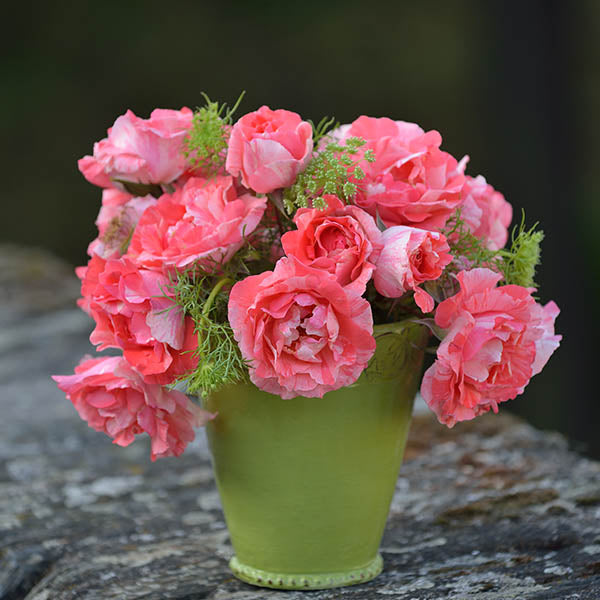


Ranunculus, often called the Persian buttercup, are among the most breathtaking spring flowers a home gardener can grow. Often referred to as the rose of spring, ranunculus are celebrated for their tall stems, double ruffled blooms, a light citrusy fragrance, high productivity, and one of the widest colour ranges available. Yet for all their glamour, they are frequently misunderstood plants. Get the timing and conditions right, and each corm will reward you with a generous flush of blooms. Get either wrong, and you end up with rot, stunted stems, or nothing at all.
Ranunculus bloom from spring to early summer, typically March to May in mild climates and April to June in cooler regions, and the journey from planting to flowering takes about 90 days. That tight window means every decision you make from the moment you open the bag of corms counts. This guide covers everything: when to plant, how to plant, how to harvest for maximum vase life, and how to protect your plants from frost, pests, and disease. If you source quality corms from a trusted specialist such as Holland Kertészet, you are already off to an excellent start.

Key Takeaways
-
Timing is everything: Soil temperature is the real boss, ranunculus root best when soil stays between 7-13°C for the first six to eight weeks after planting. Check your soil before you plant, not after.
-
Pre-soaking speeds things up: Soak and pre-sprout the corms roughly two weeks before you intend to plant outdoors, pre-sprouted corms bloom approximately three weeks earlier than corms that did not go through the pre-sprouting process. Three weeks of extra bloom time is worth a fortnight of patience.
-
Harvest at the marshmallow stage: Harvest ranunculus when the buds are coloured but before the petals unfurl, when you give them a gentle squeeze they will feel like a marshmallow. Harvested at this time, you can expect a vase life of 10-14 days.
-
Protect against frost and fungal disease: In colder areas (USDA zone 6b and below), ranunculus must be grown in a minimally heated hoop house or planted out at the end of winter. If corms are exposed to temperatures below -4°C, they will freeze and ultimately rot once they thaw.
-
Save your corms: The key to saving ranunculus corms is patience, allow the foliage to die back naturally, lift them carefully, dry them thoroughly, and store in cool, dry conditions until the next planting season. When saved correctly, each corm often multiplies, rewarding you with even more flowers the following year.
Quick-Start Prioritisation Framework
| Strategy | Best For | Effort Level | Time to Results |
|---|---|---|---|
| Autumn direct planting | Mild climates (zone 7+) | Low | 90 days to bloom |
| Pre-soak and pre-sprout then spring plant | Cool climates (zones 4-6) | Medium | 70 days to bloom |
| Container growing with frost cover | All zones, limited space | Medium | 90 days to bloom |
| Frost cloth / low tunnel protection | Any zone with cold snaps | Low | Ongoing seasonal care |
| Corm lifting and storage | Zones 6b and colder | Low-Medium | Year-round programme |
Start here if you are:
-
A first-time grower in a temperate climate: Pre-soak your corms and plant in late winter or early spring once the last hard frost has passed, the simplest path to reliable blooms.
-
In a mild or Mediterranean climate: Plant directly in autumn for the earliest and longest bloom season, saving yourself the effort of lifting and storing.
-
Growing for cut flowers: Choose the pre-soak and pre-sprout route, select the largest corm size available, and aim for a succession of plantings to extend your harvest window.
Understanding Ranunculus Corms: What You Are Actually Planting
Corms, Not True Bulbs
Ranunculus are grown from claw-like corms, a swollen underground plant stem that stores the nutrients for the plant until needed. They look nothing like the smooth, papery bulbs of a tulip or daffodil. When you open the bag, you will find small, wrinkled, spider-like structures that seem entirely unpromising. Do not be put off.
Look for large corms, which have more stored energy and will grow larger with more blooms. The corm size predicts the number of flowers the plant will produce, the more stored energy, the healthier the plant, resulting in more blooms. If you are growing for cut flowers specifically, always buy the largest size your supplier offers.
Choosing a Climate-Appropriate Strategy
These cool-season flowers can be perennials or annuals. They are perennials in zones 8 to 10, where they can overwinter. Everyone else tends to treat them as annuals and plant more corms annually, similar to many other bulbs. Understanding which camp you fall into determines your whole approach for the season.
Pro Tip: Ranunculus prefer temperatures between 4-16°C for optimal growth, making them well-suited for spring blooms. If your garden regularly exceeds that range by late spring, plant as early as your last frost date allows to maximize your blooming window before the heat shuts everything down.
When and How to Plant Ranunculus Corms
Planting Windows by Climate
The single biggest mistake growers make is planting at the wrong time. In zones 8 and warmer, plant in the fall for late winter or early spring blooms. In zones 4-7, where they are not winter hardy, ranunculus should be planted in the spring for flowers in late summer.
Fall-planted corms bloom earlier than spring-planted corms, and the blooming period is usually several weeks longer. In practice this means autumn planting in mild climates is almost always the better choice if you want the most flowers for your effort.
The Pre-Soaking Step
Ranunculus corms arrive dry and shrivelled, so soaking them before planting helps rehydrate them and kickstart the growing process. Although this is not required, many growers do this first step; it may also help your corms to sprout faster.
Soak the dry corms in tepid or room-temperature water for three to four hours (not longer). Soaking the corms will often make them double in size. Do not leave them in water overnight, prolonged soaking encourages rot. Do not soak the ranunculus corms until you are ready to plant.
Planting Depth, Spacing and Orientation
Plant corms 5-7.5 cm deep and about 15 cm apart. Plant the corms in the ground with the claws facing down. Getting the orientation right matters more than most people realize, the claw-like tentacles are the root zone, and they need to be pointing into the soil to establish properly.
Ranunculus grow best in rich healthy, well-draining soil with plenty of sunlight. Choose an area with full sun if possible. Add several inches of compost and a balanced organic fertilizer to the soil before planting.

Pro Tip: For best results, plant ranunculus corms in light, well-drained soil. Avoid soggy soil, as the corm and roots can rot. If your garden soil holds water, raise the bed by 15-20 cm or incorporate plenty of grit and compost before planting season.
Watering After Planting
If you live in a wet climate after planting ranunculus bulbs you may not need to water again until sprouts appear. Too much moisture in the soil may cause the corms to rot. Refrain from watering again until you notice sprouts of leaves sprouting, no water. Then water moderately during active growth and blooming. This restrained approach to watering early on saves more corms than any other single technique.
Caring for Ranunculus During the Growing Season
Feeding and Deadheading
Fertilize ranunculus twice a month using liquid plant food, this helps the plants produce more flowers and extend their life. As buds form, switch from a general balanced feed to a formula higher in potassium and phosphorus to support flower development.
Deadheading, removing spent blooms promptly, redirects the plant's energy toward producing new flowers rather than forming seeds. Gently trim stems back to a leaf node or strong bud. In my experience, consistent deadheading can extend the blooming season by two to three weeks, which is a meaningful gain.
Frost Protection During the Growing Season
During cold stretches, when temperatures dip below freezing, cover the plants with a layer of frost cloth. The easiest way to protect your plants from frost is with a floating row cover, a white, lightweight piece of fabric that can be purchased relatively inexpensively online and re-used each year. For a small bed, you can build a low tunnel using garden hoops and secure frost cover to the hoops with clips or sandbags.
Plants perform best when the frost cloth is not touching the foliage, find something to prop up the frost cloth off the leaves by using garden stakes or small hoops. The trapped air between the cloth and the foliage provides the insulation; the cloth alone does relatively little if it rests directly on the leaves.
Air Circulation, the Overlooked Factor
Ranunculus foliage is highly susceptible to powdery mildew, so maintaining good airflow in and around the plants is critical. I've found that spacing plants on the wider end of the recommended range, around 25 cm apart rather than 15 cm, makes a meaningful difference to disease rates, particularly in humid growing seasons.
Protecting Ranunculus from Pests and Disease
Aphids
Aphids are small, green insects that infest a variety of flowers, including ranunculus, and feed on the sap in their stems. If you look closely, you can see these small, oval insects crawling on infested plants, your plants may also look worn and faded with discoloured leaves and wilted edges if the infestation continues unchecked.
Aphids can be deterred and removed by spraying ranunculus with a mixture of mild dish soap and water or with essential oils, both of which interfere with aphids' ability to feed on the plants. Act early, aphids are very fond of ranunculus and need to be dealt with early before their population quickly explodes.
Slugs and Snails
Slugs and snails can munch on your ranunculus leaves and flowers, leaving ragged holes. To prevent them, keep your garden clean and tidy and remove any hiding places such as rocks or debris. You can also use copper tape or diatomaceous earth to create a barrier around your plants.
Powdery Mildew
Powdery mildew is a grey, black, white or pinkish powder that looks as if someone dusted dirty erasers over your plants. This fungal disease can cause a white, powdery coating on your ranunculus leaves. To prevent powdery mildew, make sure your plants are well-spaced and not overcrowded. You can also apply a fungicide if necessary.
Root Rot
Root rot is a common problem during rainy days in ranunculus. It can also happen due to waterlogging. The solution is almost always preventative rather than curative: plant in well-draining soil, avoid overhead watering where possible, and resist the urge to irrigate before the soil surface has dried out between sessions.
Pro Tip: Drip irrigation is best, but overhead watering is fine so long as it is done earlier in the day with plenty of chance of the foliage drying off quickly. Wet foliage overnight is the single fastest route to a powdery mildew outbreak.

How to Harvest Ranunculus for the Best Vase Life
The Marshmallow Stage
Timing your harvest correctly is the difference between a week of colour and a fortnight of it. Ranunculus are best harvested in the "marshmallow" stage, when the bloom feels squishy, like a marshmallow, and the petals are just beginning to unfurl. For longer storage, harvest while the buds are still in the marshmallow stage.
Harvest the flowers after they have opened and closed a few times. Three days of opening and closing is ideal. If the centre bud feels hard, wait and check it the next day. This three-day open-and-close rule is the most reliable field method for gauging ripeness without any specialist equipment.
Time of Day and Cutting Technique
Use clean, sharp scissors or snips to cut stems at an angle early in the morning. Place the cut stems in cool water immediately. Harvest early in the morning or late in the evening when the flowers are most hydrated, reducing stress on the plants. Avoid cutting in the heat of the afternoon, stems cut during peak heat will wilt faster and never recover to their full potential vase life.
Vase Care
Use clean, fresh water and change it every one to two days. Trim stems every couple of days to improve water uptake. Keep flowers away from direct sun, heat, and ripening fruit. Ripening fruit releases ethylene gas, which accelerates petal drop in ranunculus faster than almost any other factor.
One bulb can produce four to five flowers. If you want to cut the ranunculus for the vase, it is best to do so as soon as the bud becomes coloured and soft to the touch, then the cut flowers will last up to 14 days in the vase. That figure assumes correct harvest timing, clean water, and a cool room, cut late or kept in a warm spot, vase life drops sharply.
Lifting, Storing and Reusing Ranunculus Corms
When to Lift the Corms
Ranunculus begin to bloom in late spring and will continue to flower into early summer. Similar to pansies, they go dormant as the heat of summer increases. Flowering tapers off and the plants gradually go from green to yellow and then brown. At this point, the corms can be dug and stored.
It is tempting to dig them up as soon as blooming slows, but waiting is important. As long as the foliage is still green, the plant is photosynthesising and sending energy down into the corm, this is what helps corms grow stronger, size up, and sometimes form small new corms for next year.
Drying and Storing
Gardeners in zone 6b and colder should dig their ranunculus corms and store them indoors. Although the foliage can handle frost, the corms and roots will not tolerate a freeze-thaw cycle. Additionally, the corms may rot if they sit in wet, cold soil over the winter.
Spread the corms in a single layer on newspaper or mesh trays in a shaded, well-ventilated spot for one to two weeks until they are firm and dry to the touch. If ranunculus corms are moist or wet during storage, they may succumb to mould or rot. When the corms are completely dry, place them into mesh bags.
With proper drying and cool storage, corms remain viable for six to nine months. Always check for firmness before replanting and discard any that feel soft or show mould.
Frequently Asked Questions
When exactly should I plant ranunculus corms in Hungary and northern Europe?
In Hungary and northern Europe, broadly equivalent to USDA zones 6-8, the ideal approach is to plant in late autumn (October to November) if you can provide frost protection, or to pre-soak and plant outdoors in late February to March once the worst cold has passed. Gardeners in colder climates should plant in late winter or early spring, once the threat of hard frost is over, with blooms appearing in late spring or early summer. A cold frame or low tunnel makes autumn planting viable even in cooler regions.
How deep should ranunculus corms be planted, and which way up?
When planting ranunculus bulbs place them 5-7,5 cm deep in the soil with the "claws" facing downward. Space the corms 15 cm apart to give each plant room to grow. The claw-like protrusions are the future root system, if you plant them upside down, the plant will still grow but it will take considerably longer to establish.
Why are my ranunculus not flowering?
The most common causes are planting too late (the heat arrives before the plant has time to bloom), planting too deep, overwatering before sprouting, or poor soil drainage. Ranunculus love cool roots and mild temperatures. If they are planted too late in warm climates, or too early in cold zones without protection, you will end up with weak growth or no blooms at all. Review your soil drainage and planting timing first.
Can I save and reuse ranunculus corms year after year?
Yes, and doing so pays dividends. Although ranunculus are often sold and grown as annuals, they are naturally perennial. With the right care, their corms can be lifted, stored, and replanted for multiple seasons. Mature corms produce more stems and larger blooms compared to newly purchased ones. Lift them when the foliage has fully died back, dry them thoroughly, and store cool and dry.
How do I stop powdery mildew from ruining my ranunculus?
Prevention is far more effective than cure. Powdery mildew can cause a white powdery coating on your ranunculus leaves. To prevent it, make sure your plants are well-spaced and not overcrowded. Additionally, avoid watering late in the day, improve airflow by thinning out nearby plants, and consider a preventative organic fungicide spray once foliage is established.
Final Thoughts
Ranunculus have a reputation for being difficult, but the difficulty is mostly a matter of timing and drainage. Respect those two requirements and the rest of the growing season is genuinely enjoyable. Whether you are planting a dozen corms in a raised bed or filling a cutting garden for the season, sourcing high-quality bulbs from a reliable supplier such as Holland Kertészet is the foundation of everything that follows. Get the corms, prepare the soil, soak before planting, protect from frost, and harvest at the marshmallow stage. Follow those steps and ranunculus will become one of the most rewarding flowers in your garden.
Sources
-
Growing Ranunculus: 5 Tips, Growing In The Garden. Planting depth, spacing and soaking guidance. https://growinginthegarden.com/how-to-grow-ranunculus-5-tips-for-growing-ranunculus/
-
Ranunculus Planting and Growing Guide, Easy To Grow Bulbs. Zone-by-zone planting windows and container advice. https://www.easytogrowbulbs.com/pages/ranunculus-tecolote-planting-guide
-
How to Plant Ranunculus Bulbs, Eden Brothers. Depth, spacing, and storage timelines. Gardeners in colder climates
-
Growing Ranunculus, The Old Farmer's Almanac. Comprehensive care and variety guidance. https://www.almanac.com/plant/ranunculus
-
When to Plant Ranunculus Bulbs 2025-2026 by Zone, Tree Care Zone. Soil temperature thresholds and zone-specific calendars. https://treecarezone.com/when-to-plant-ranunculus-bulbs/
-
How to Grow Ranunculus, Floret Flowers. Pre-sprouting, bed prep and frost protection for professional growers. https://www.floretflowers.com/resources/how-to-grow-ranunculus/
-
10 Tips for Growing Ranunculus, Longfield Gardens. Pre-sprouting timeline, frost cloth, and harvest guidance. https://www.longfield-gardens.com/blogs/fall-planted-bulbs-how-to/10-tips-for-growing-ranunculus
-
All About Ranunculus, Longfield Gardens. Hardiness zones, soil conditions, and air circulation. https://www.longfield-gardens.com/blogs/all-about-fall-planted-bulbs/all-about-ranunculus
-
Ranunculus Pests and Diseases, Garden Guides. Aphid and powdery mildew identification and treatment. https://www.gardenguides.com/105855-ranunculus-pests-diseases.html
-
Ranunculus 101, The Cultivated Home Blog. Pest management and harvesting timing. https://thecultivatedhomecouk.wordpress.com/2023/04/12/ranunculus-101-all-you-need-to-know-about-growing-and-caring-for-ranunculus/
-
How to Grow Ranunculus, Emerden. Irrigation, aphid control, and powdery mildew prevention. https://emerden.com/blogs/journal/how-to-grow-ranunculus
-
Ranunculus Growing Guide: From Corm to Bloom, Sierra Flower Farm. Harvest stage, marshmallow method, pest management. https://www.sierraflowerfarm.com/blog/2017/6/1/flower-of-the-month-ranunculus
-
Ranunculus Care Guide, MasterClass. Fertilising, deadheading and vase life. Fertilise ranunculus twice a month
-
How to Harvest Ranunculus for Long Vase Life, Lynsey Taulbee. Harvest stage and vase life data. https://www.lynseytaulbee.com/blog/how-to-grow-ranunculus
-
How to Grow Ranunculus, Birch Farm UK. Harvest technique and cut flower aftercare. https://www.birchfarm.co.uk/post/how-to-grow-ranunculus-a-guide-to-how-we-grow-them-at-birch-farm
-
How to Save Ranunculus Corms, CompleteGrow. Lifting, drying and multi-season storage. https://completegrow.com.au/garden-plant-care-home/how-to-save-ranunculus-corms-2/
-
How to Dig and Store Ranunculus Corms, Longfield Gardens. Storage conditions, zone guidance, and mesh bag method. https://www.longfield-gardens.com/article/how-to-dig-and-store-ranunculus-corms
-
How to Care for Ranunculus During the Winter, Flower People. Frost cloth and low tunnel construction. https://flowerpeople.com/blogs/growing-resources/how-to-care-for-ranunculus-during-the-winter
-
Planting, Caring for and Harvesting Ranunculus, Jora Dahl. Corm productivity and vase life benchmarks. https://joradahl.de/en/planting-caring-for-and-harvesting-ranunculus/
-
When Do Ranunculus Bloom, Flowers Geek. Bloom triggers, morning harvesting and cut flower preservation. https://flowersgeek.com/when-do-ranunculus-bloom-and-how-to-make-them-last-longer/