
There is a reason terracotta garden pots have appeared on balconies, patios, and kitchen windowsills across Europe for thousands of years, and it has nothing to do with aesthetics alone. The European urban gardening products market, growing at a compound annual growth rate of 8.9% through to 2035, driven by gardeners who want containers that actually perform season after season. Yet many people still grab the nearest plastic pot from a garden centre, only to replace it eighteen months later when the colour fades, the base splits, or the roots suffer from poor drainage. If you want to choose garden pots that genuinely last, and that make thoughtful garden gifts, terracotta is where the conversation starts and often ends.
In my experience, the pots that outlive everything else in my garden are always the old terracotta ones. The plastic ones crack along the rim, the fibreglass ones lose their finish, but the clay pots just keep going, slowly picking up character with every season.

Key Takeaways
-
Porosity is the main advantage: The porous nature of terracotta allows air and moisture to circulate through the walls of the pot, promoting healthy root growth by preventing waterlogging, and its ability to withstand harsh weather conditions makes it suitable for year-round use. If you are prone to overwatering, terracotta acts as a built-in safety mechanism.
-
Longevity depends on care, not just material: High-quality, well-maintained terracotta planters, especially when used indoors or in sheltered conditions, can achieve a lifespan of ten or more years, potentially exceeding twenty. Therefore, invest in frost-resistant grades and store smaller pots under cover from November to March.
-
Plastic pots carry a hidden environmental cost: The environmental impact of plastic waste in horticulture remains substantial, with billions of pots used annually across Europe, and many are not recycled due to contamination. Choosing terracotta removes your garden from that cycle entirely.
-
Terracotta is a proven garden gift: A quality terracotta pot paired with a Mediterranean herb or succulent suits birthdays, housewarmings, and seasonal occasions equally well, and the recipient keeps the pot long after the plant has been repotted or passed on.
-
Hungary has deep clay craft roots: The pottery-making tradition in Hungary has been submitted to UNESCO's Representative List, recognising a tradition that spans multiple regional centres and generations of craft knowledge. Buying from Hungarian suppliers like Holland Kertészet connects you to that heritage directly.
Quick-Start Prioritisation Framework
Use this table to match your situation to the right terracotta approach before you spend a single forint or euro.
| Situation | Best Approach | Effort Level | Time to See Results |
|---|---|---|---|
| Succulents and cacti | Standard unglazed terracotta | Low | Immediate |
| Mediterranean herbs on a balcony | Medium-sized terracotta with saucer | Low | Days |
| Outdoor pots through a Central European winter | Frost-resistant, high-fired terracotta | Medium | Seasonal |
| Garden gifts for plant lovers | Mid-size terracotta with drainage hole | Low | Immediate |
| Large feature pots left outdoors year-round | Frost-proof terracotta, sealed exterior | High | Months |
| Moisture-loving tropicals indoors | Glazed or ceramic, terracotta not ideal | Low | Immediate |
Start here if you are:
-
A beginner gardener: Choose a standard 20 to 25 cm unglazed terracotta pot with a drainage hole. It will forgive overwatering far better than plastic.
-
Buying a garden gift: Pick a medium terracotta pot paired with a herb (rosemary, thyme, or sage) for a practical present that lasts for years.
-
Wintering pots outdoors in Hungary or Central Europe: Look specifically for frost-resistant labelling, bring smaller pots inside when temperatures drop below -5°C, and lift all pots off the ground on pot feet.
The Ancient Heritage Behind Modern Terracotta
The word itself tells the story. The word "terracotta" comes from Italian, meaning "baked earth." One of the oldest and most widely used materials in the world, baked clay or terracotta can be found on roofs, in museums, and in gardens all over the world.
A European Tradition Still Going Strong
The island of Crete stands out as an almost unique place in the world, with its continuous production of distinctly Mediterranean pottery originating from a specific area, a tradition that can be traced back as far as 8000 BC. Those ancient pots were not decorative objects. Archaeologists digging at the ancient palace of Knossos found massive clay pots called pithoi. These giant jars were built to store olive oil, wine, and grain. The fact that these ancient artefacts survived shows the durability of the local clay and the skills of early potters.
Closer to home, Hungary carries its own rich clay tradition. The most outstanding products of Hungarian folk pottery can be found along the Middle-Tisza region, with pottery traditions in Debrecen reaching back to the Middle Ages. The Zsolnay factory, still in operation today, was started in 1852 in Pécs. It initially produced modest, utilitarian wares including decorative architectural terracotta elements. Ignác's brother Vilmos brought the firm international acclaim, developing it into the largest ceramics manufacturing complex in Austria-Hungary.
This depth of craft knowledge matters when you choose garden pots. A pot made from well-sourced Central European clay, fired correctly, will outlast any mass-produced plastic container by many years.
Why the Material Itself Is the Secret
Terracotta pots are made from natural clay, fired at high temperatures to create a hard, porous material. This process gives terracotta its distinctive appearance and properties. These pots are heavy and sturdy making them less likely to tip over in windy conditions, and since terracotta is a natural material, it is a sustainable choice for eco-conscious gardeners.
Pro tip: When you first bring a terracotta pot home, soak it in water for at least an hour before planting. This prevents the dry clay from pulling moisture away from freshly planted roots during those critical first days.
What Terracotta Actually Does for Your Plants
Porosity, Drainage, and Root Health
Terracotta's porous walls let excess moisture evaporate and allow roots to breathe, which many gardeners find reduces root rot in moisture-sensitive plants like succulents and Mediterranean herbs. This is the practical reason terracotta has survived as the gardener's container of choice across European cultures for millennia.
As water passes through the porous walls, it gradually evaporates, creating a natural cooling effect that helps regulate the moisture levels in the soil. This slow evaporation process prevents the soil from becoming waterlogged, reducing the risk of root rot, a common issue in less breathable containers.
There is also a less-discussed benefit at the root structure level. In impermeable plastic pots, roots often circle the container wall in a dense mat, becoming root-bound quickly. In terracotta, the slight drying at the pot wall encourages roots to air-prune; they stop growing when they sense dry conditions and branch back inward, creating a denser, more fibrous root ball. This air-pruning effect promotes healthier, more vigorous plants.
Temperature Regulation
Terracotta pots help protect your plants from sudden changes in heat or cold. The clay material can absorb some heat during hot weather and then slowly release it as the temperature drops. This natural insulation from the pot helps keep roots cooler on hot days, especially if your plants are out in the sun. For gardeners on Hungarian plains where summer temperatures can push above 35°C, this is a genuine advantage over thin plastic or metal containers.
Terracotta's thermal mass insulates roots from rapid temperature swings. It stays cooler than black plastic in direct sun and warmer than thin metal in cold snaps.
Which Plants Thrive Best
Knowing how to choose garden pots also means matching the material to the plant. The best plants for terracotta pots are those that prefer well-drained, slightly dry soil. This includes succulents, cacti, Mediterranean herbs such as rosemary, thyme, lavender, and sage, drought-tolerant flowers like geraniums and portulaca, and many indoor houseplants including snake plants, pothos.
On the other hand, terracotta pots excel for drought-tolerant plants like succulents by preventing root rot through breathability, but can harm moisture-loving tropicals by drying soil too fast. If you are growing ferns or calatheas, a glazed ceramic pot is a better match.

How Terracotta Compares to Plastic, Ceramic, and Fibreglass
This is where the honest picture matters. Terracotta wins on several fronts, but there are real trade-offs worth knowing.
Terracotta vs. Plastic
Pros:
-
Naturally porous and breathable, reducing overwatering risk
-
Biodegradable at end of life with no harmful residue
-
Heavy and stable in wind
-
Ages with character rather than degrading visually
Cons:
-
Heavier to move around
-
Can crack if exposed to hard frosts without protection
-
Requires more frequent watering in summer
Annual emissions related to plastic production in the EU amount to around 13.4 million tonnes of CO2, or about 20% of the chemicals industry's emissions in the European Union. Choosing terracotta over plastic pots across even a modest collection has a measurable environmental benefit over time, and you never need to dispose of it as landfill. When a terracotta pot finally breaks, it returns to the earth with no harmful residue, and broken shards make excellent drainage material at the bottom of other containers, so almost nothing goes to waste.
Terracotta vs. Glazed Ceramic
Pros:
-
More breathable than glazed ceramic
-
Generally more affordable
-
Greater variety of artisan and traditional shapes in European markets
Cons:
-
Glazed ceramic resists winter freezing better
-
Glazed ceramic retains moisture longer, suiting different plant types
Glazed ceramic holds moisture longer, which suits thirstier plants, and its sealed surface tends to hold up better through winter freezes. If your main concern is frost survival and low-maintenance watering, glazed ceramic may edge ahead for purely outdoor use in colder regions. That said, glazed ceramic traps moisture longer, raising root rot risk by 3.2 times in typical low-airflow interiors, per 2023 Royal Horticultural Society indoor trials. Inside the home, unglazed terracotta remains the safer choice for most plants.
Terracotta vs. Fibreglass
Pros:
-
Natural material, fully biodegradable
-
Warmer aesthetic with an authentic patina that develops over time
-
Better thermal regulation
Cons:
-
Fibreglass is frost-resistant, rustproof, and shatterproof
-
Fibreglass is much lighter, making it easier to move large planters
High-quality fibreglass planters owe their exceptional durability to their composite materials and construction process. These frost-resistant, rustproof, and shatterproof planters are designed to withstand the elements, allowing them to be left outdoors season after season. For very large feature planters in exposed positions, fibreglass is a practical competitor. But it will never develop the living patina that makes a well-aged terracotta pot so visually compelling.
Pro tip: If you love the look of terracotta but need something lighter for a rooftop terrace, consider using fibreglass planters for the large statement pieces and genuine terracotta for the smaller pots where weight is not an issue.
Keeping Terracotta Pots Healthy Through a Central European Winter
This is the topic that worries most Hungarian and Central European gardeners, and rightly so. Winters in Hungary regularly bring temperatures below -10°C, and that is where terracotta needs some help.
Understanding Why Frost Causes Damage
Terracotta pots will likely crack if left outside in freezing temperatures without protection, especially in climates experiencing frequent freeze-thaw cycles. The porous clay absorbs moisture that expands approximately 9% when frozen, creating internal pressure that exceeds the clay's structural strength.
The solution is straightforward: keep the clay as dry as possible before a freeze. Make sure drainage holes are clear to prevent water from collecting and freezing inside the pot, which can expand and crack even frost-resistant terracotta.
Practical Winter Steps
Sealing your terracotta pots can extend their lifespan, especially if they are exposed to harsh weather. A breathable sealant will help reduce water absorption, which is particularly useful in preventing cracking during cold months.
For pots that must stay outside:
-
If you live in an area with frequent rain or sudden temperature changes, protect larger pots from snow and rain, and if it gets very cold, add an insulating layer of bubble wrap, fleece, or hessian.
-
Make sure the pot is in a protected area, like against the wall of your house, porch, or balcony. To avoid any potential cracks when they freeze, it is best not to move your pots around during the winter.
-
Consider lifting pots off the ground using terracotta pot feet, and emptying the soil from unused pots over winter to alleviate pressure.
Pro tip: When shopping for terracotta in Hungary, look specifically for pots labelled as frost-resistant or frost-proof. These pots are made with a higher quality clay and fired at higher temperatures, making them less porous and better suited for cold weather conditions. They still have the classic terracotta look but are much more durable during winter.

How to Choose Garden Pots and Garden Gifts Wisely
Whether you are selecting terracotta for your own garden or thinking about how to choose garden gifts for someone else, a few practical criteria will guide you to the right purchase.
Size and Drainage First
The right plant pot should be roughly 2 to 5 cm wider than your plant's current root ball, made from a material suited to how often you water, and it should always have drainage holes. For terracotta specifically, drainage holes are not optional, the pot's porosity alone is not enough to rescue a waterlogged plant.
Poor drainage is one of the most common causes of unhealthy plants. The right pot can protect roots, prevent rot, and support healthy growth.
Choosing Terracotta as a Garden Gift
Terracotta makes one of the most satisfying garden gifts because it combines practicality, beauty, and longevity in a single object. Every indoor gardener needs pots and planters to show off their favourite plants, and as plants grow they outgrow their homes, so the spring is a great time to give plants a bigger pot to grow into.
When thinking about how to choose garden gifts built around terracotta:
-
Match pot size to the likely plant: small (10 to 15 cm) for succulents and herbs, medium (20 to 25 cm) for statement houseplants, large (30 cm and above) for outdoor feature planting.
-
Check for a drainage hole and, if there is one, see if you can find a corresponding drip tray as a bonus gift.
-
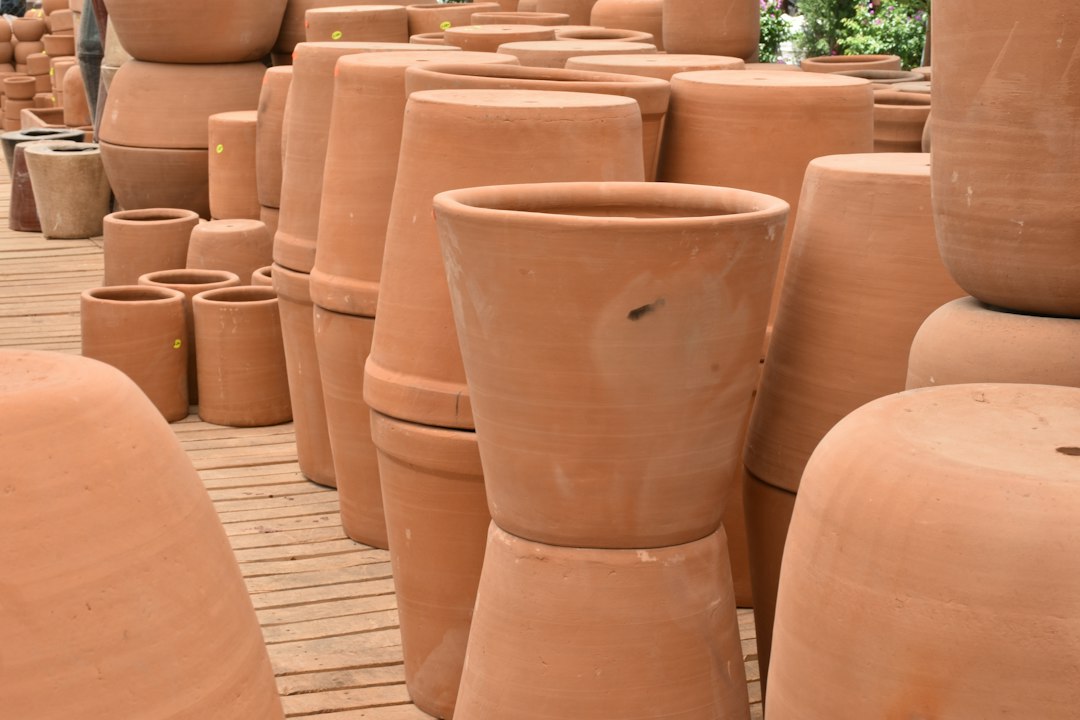
Look for pots with an even colour throughout, quality terracotta shows consistent warm orange-brown tones right through to the base and rim.
-
Pair with something living: a pot of rosemary, a small lavender, or a compact succulent turns a simple pot into a complete, useable gift.
For Hungarian shoppers, Holland Kertészet offers a range of garden pots and accessories that complement a terracotta-centred garden style, and browsing their selection is a good starting point when you want to put together a thoughtful, cohesive garden gift.
Frequently Asked Questions
How long do terracotta garden pots actually last?
Terracotta planters can last for many years, even decades, in milder climates and with careful handling. The key variables are firing quality, winter care, and whether the pot is used indoors or out. A high-quality, frost-resistant terracotta pot stored correctly in Central European winters can realistically last fifteen to twenty or more years.
Are terracotta pots better than plastic for plant health?
For most drought-tolerant plants, Mediterranean herbs, and succulents, the answer is yes. Terracotta pots excel in breathability, natural aesthetics, and affordability. However, plastic pots offer more moisture retention, and without careful drainage management they can lead to waterlogging issues. The better question is: which plants are you growing? Match the material to the plant's needs.
Can I leave terracotta pots outside in a Hungarian winter?
You can, with the right preparation. Standard unglazed terracotta needs insulating and ideally needs to be raised off the ground to prevent water pooling. High-fired clay pots fire at temperatures above 2100°F (around 1150°C), making them much denser with less water absorption. These pots can withstand sustained freezes with less risk and are often labelled "frost-resistant." Always check the label before leaving a pot outside through November to March in Central Europe.
What are the best plants to grow in terracotta?
The best plants for terracotta pots are those that prefer well-drained, slightly dry soil: succulents, cacti, Mediterranean herbs such as rosemary, thyme, lavender, and sage, drought-tolerant flowers like geraniums and portulaca, and indoor houseplants including snake plants, pothos. Avoid using unglazed terracotta for moisture-loving plants like ferns, calatheas, or peace lilies unless you are prepared to water very frequently.
How do I clean and maintain terracotta pots?
Remove loose soil with a stiff brush and rinse with water. For stubborn salt marks and algae stains, use a vinegar solution mixed with water. Those white mineral deposits you often see on older terracotta pots are harmless efflorescence, salts migrating through the porous walls as water evaporates. They are actually a sign the pot is working as it should. Rinse thoroughly and allow to dry completely before storing pots for winter.
The Bottom Line
Terracotta garden pots outlast other materials precisely because they work with natural processes rather than against them. They regulate moisture, insulate roots, age with grace, and return to the earth when they eventually go. The European gardening tradition has known this for millennia, from the Minoan storage jars of Crete to the folk pottery workshops of Hungary's Great Plain. With a little care through winter and the right choice of frost-resistant quality, a terracotta pot purchased today could still be on your balcony in twenty years' time, which is more than can be said for any plastic alternative.
If you are ready to build a collection that lasts, or looking for a garden gift that a plant lover will actually use every day, start with terracotta. Browse the selection at Holland Kertészet for quality garden pots suited to the Hungarian and Central European climate.
Sources
-
European Environment Agency, Plastics, EEA. Plastic production, emissions, and recycling data for Europe. https://www.eea.europa.eu/en/topics/in-depth/plastics
-
Cretan Terracotta Pots, History, Cretan Terracotta Pots. History of pottery tradition dating to 8000 BC. https://cretanterracottapots.com/pages/history-cretan-terracotta-pots
-
The Benefits of Terracotta for Plant Root Health, Roundwood. Detailed breakdown of terracotta porosity and root health. https://www.roundwood.com/the-benefits-of-terracotta-for-plant-root-health/
-
Terracotta vs Ceramic Planters, Garden Savvy. Lifecycle and sustainability comparison. https://gardensavvy.com/gardening-blog/news/terracotta-vs-ceramic-planters/
-
Best Plants for Terracotta Pots, Terrachi Clay. Plant and material matching guide. https://terrachiclay.com/best-plants-for-terracotta-pots/
-
How Cold Weather Affects Terracotta, Bloomist. Winter protection and frost science for terracotta. https://bloomist.com/blogs/journal/how-cold-weather-affects-terracotta-how-to-care-for-it
-
Protecting Terracotta Pots From Frost, Plant Pots UK. Practical winter care guide for UK and European climates. https://plantpotsuk.co.uk/blogs/news/how-to-protect-your-terracotta-pots-in-winter-a-uk-gardeners-guid
-
Ceramic vs Terracotta Pots: Root Health Truth, LifeTips Alibaba. Scientific review of pot material and root physiology. https://lifetips.alibaba.com/plant-care/ceramic-vs-terracotta-pots-root-health-truth
-
How to Choose Plant Pots, Plants Depot. Practical guide on pot sizing, materials, and drainage. https://plants-depot.com/the-ultimate-plant-pot-guide-choosing-the-right-pots-for-every-plant/
-
Europe Urban Gardening Products Market, GM Insights. Market size and growth data for European urban gardening. https://www.gminsights.com/industry-analysis/europe-urban-gardening-products-market
-
Plastic Waste in Horticulture, Floral Daily. Impact of plastic pot waste across European horticulture supply chains. https://www.floraldaily.com/article/9832752/rising-plastic-costs-drive-interest-in-pha-based-alternatives-in-europe-s-greenhouse-supply-chain/
-
Pottery Making Tradition in Hungary, UNESCO Intangible Cultural Heritage. Hungarian pottery-making nomination for the UNESCO Representative List 2026. https://ich.unesco.org/en/files-2026-under-process-01395
-
Hungarian Ceramics from the Zsolnay Manufactory, Bard Graduate Center. History of the Zsolnay terracotta and ceramics factory in Pécs. https://www.bgc.bard.edu/exhibitions/exhibitions/47/hungarian-ceramics-from-the-zsolnay
-
Why Choose Authentic Greek Terracotta Planters, Plantatorem. History of Cretan and Mediterranean terracotta traditions. https://plantatorem.com/blogs/news/from-ancient-greece-to-modern-gardens-why-terracotta-never-goes-out-of-style
-
Houseplant Gift Guide, Master Gardeners of Northern Virginia. Practical advice on choosing pots as gifts. https://mgnv.org/houseplants/houseplant-gift-guide/