
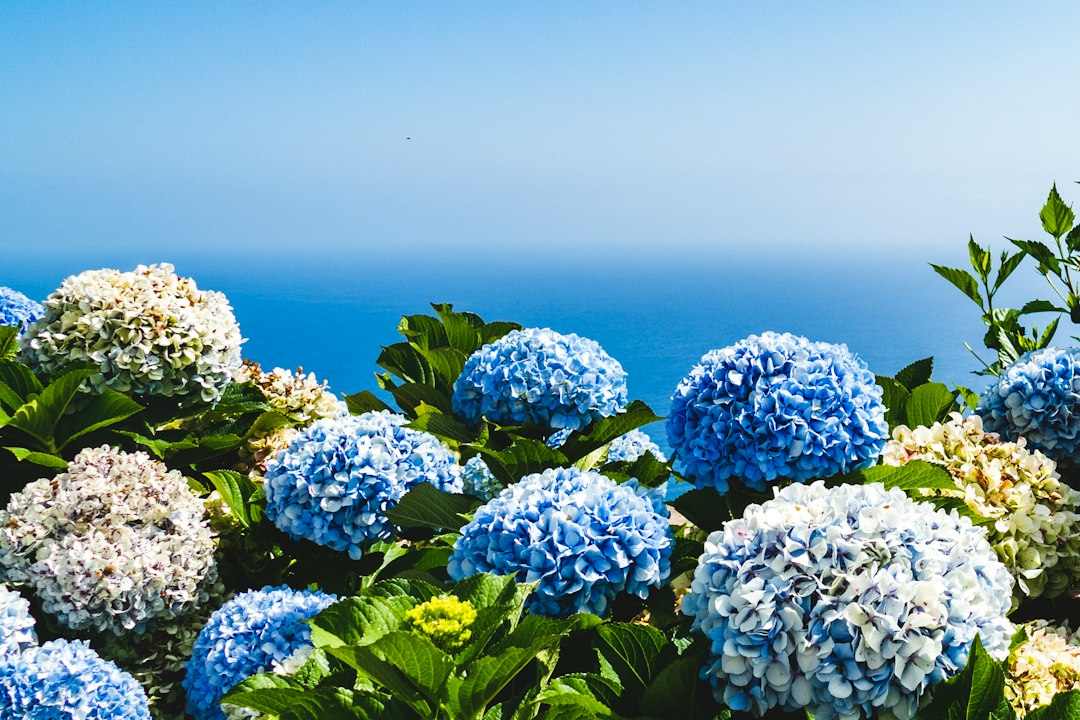
Few garden plants reward as generously as a hydrangea in full bloom. From the vivid blue mopheads that fill cottage borders across Central Europe to the elegant white cones of a paniculata towering above a garden wall, these shrubs offer something for every taste and every size of outdoor space. These easy-to-grow deciduous shrubs have a long flowering period that lasts through the summer and autumn months, making them one of the most reliable performers a gardener can choose.
Yet hydrangeas do have a reputation for confusion, mainly around pruning. Cut the wrong stems at the wrong time and you can lose an entire season of flowers without understanding why. This guide walks you through everything from choosing your variety to protecting your plants through a Hungarian or Central European winter, with the pruning question placed front and centre so this article becomes a long-term reference rather than something you read once and forget.

Key Takeaways
-
Know your type before you prune: The secret to pruning hydrangeas correctly is knowing which type you have. Some bloom on old wood, some bloom on new wood, and pruning at the wrong time can reduce next season's flowers. Get this one thing right and everything else becomes easier.
-
Soil pH controls flower colour: Mophead and lacecap types (Hydrangea macrophylla) change colour with soil pH, blue below pH 5.5, pink above pH 6.5. Therefore, test your soil before spending money on colour-changing products.
-
Most problems trace back to three causes: Most problems trace back to one of three causes: incorrect pruning, insufficient water, or a position that is too exposed or too sunny. Fix these first before reaching for pesticides or fertiliser.
-
Newly planted hydrangeas need patience: Newly planted hydrangea shrubs can take 2 to 5 years before they begin blooming. Do not prune them hard in year one.
-
Stop feeding by August: Avoid fertilising hydrangeas in late summer or autumn, which will promote new growth that may not have time to harden off before winter, leaving the plant vulnerable to cold damage.
Quick-Start Prioritisation Framework
| Strategy | Best For | Effort Level | Time to Results |
|---|---|---|---|
| Choose H. paniculata or H. arborescens | Beginners, cold gardens, full sun spots | Low | First season |
| Choose H. macrophylla (mophead/lacecap) | Cottage gardens, part shade, colour changing | Low | First season |
| Old-wood pruning (deadhead only) | Macrophylla, serrata, climbing types | Low | Next season |
| New-wood pruning (cut hard) | Paniculata, arborescens | Low | Same season |
| Soil pH adjustment for colour change | Macrophylla with blue/pink flowers | Medium | 1-2 seasons |
| Full winter protection (cage + straw) | Macrophylla in colder Hungarian regions | Medium | Spring bud survival |
Start here if you're:
-
A complete beginner: Choose H. paniculata; it blooms on new wood, tolerates hard pruning, and is nearly foolproof in Central European conditions.
-
After dramatic colour: Choose H. macrophylla and learn the old-wood pruning rule first; it will save you years of frustration.
-
Working with a shaded or north-facing spot: Climbing hydrangea (H. petiolaris) or a lacecap type will suit you best.
Choosing the Right Type of Hydrangea
H. paniculata ('Limelight') and H. macrophylla are widely grown in temperate regions like the UK, France and Germany, and both perform well in Hungary and across Central Europe. Understanding the five main groups is the foundation of everything that follows.
Mophead and Lacecap (Hydrangea macrophylla)
Mophead hydrangeas are the most familiar type in European gardens. Their large, round flower heads measure 15-25 cm across and last from July to September. Colours range from deep blue through mauve and pink to white, depending on soil pH. Lacecaps share the same species but carry flat flower heads with tiny fertile flowers at the centre and showy sterile flowers around the edge. Both are old-wood bloomers, a point that shapes everything about how you prune and protect them.
Panicle Hydrangea (Hydrangea paniculata)
Paniculata types flower on new wood, making them frost-proof and the easiest to prune. Their conical, creamy-white flower heads often blush pink as the season progresses. For gardeners in the colder parts of Hungary, this is the variety that will never let you down. Popular varieties include 'Limelight' and the more compact 'Little Lime'.
Smooth Hydrangea (Hydrangea arborescens)
Best known through the variety 'Annabelle', this type also blooms on new wood and can be cut hard each spring. The compact BellaRagazza types within the arborescens range reach only 40-90 cm high and are therefore also suitable for pots on the terrace.
Climbing Hydrangea (Hydrangea petiolaris)
Climbing hydrangea (H. petiolaris) reaches 15 m and is the best self-clinging climber for north-facing walls. It is slow to establish but once settled it is magnificent, and requires very little attention beyond an occasional trim after flowering.
Where to Plant and How to Plant
Choosing the Right Spot
Hydrangeas do best in moist free-draining soil and dappled shade, not too sunny and not too shady. Avoid south-facing positions, especially if the soil is very dry. In warmer, sunnier parts of Hungary, afternoon shade is particularly important for macrophylla types. Hydrangeas are happiest in a sheltered spot because strong winds can damage their large leaves and heavy flower heads. Wind can also dry out the soil more quickly, which puts extra stress on the plant.
Soil Preparation
Hydrangeas grow best in moist well-drained, slightly acidic to neutral soil. Free-draining loam soils are ideal, although they will grow well in clay soil especially if it has been improved by adding well-rotted organic matter and a mulch is applied on top.
Planting Step by Step
Set out purchased plants in spring at about the time of your last frost. Container-grown plants can be set out through early summer. Simply dig a hole large enough for the root ball so that it sits in the ground at the same level as it was in the container. Backfill with some of the removed soil, then sprinkle on a handful of fish, blood and bone and gently work it in with a trowel. Space plants at least 1.5 m apart. Plant in moisture-retentive humus-rich soil, incorporating generous amounts of garden compost into the planting hole. Mulch heavily after planting to conserve soil moisture, this matters more for hydrangeas than for most garden shrubs given their high water requirements.
Pro Tip: Newly planted hydrangeas should not be fertilised in their first season. The roots are not yet established and are highly susceptible to fertiliser burn. Focus on consistent watering and let the plant settle in for the first growing season.

Watering and Feeding
Watering
Hydrangeas are thirsty plants. Water regularly, and cover the root zone with an organic mulch to keep the soil moist at all times. Container hydrangeas may need watering daily in hot weather and should never be allowed to dry out completely, as severe wilting repeated across several seasons significantly reduces the plant's vigour and flower production. Always water at the base of the plant. Watering at the base of the plant rather than overhead, prevents spores from being dispersed from leaf to leaf, reducing the risk of fungal disease.
Feeding
The best fertiliser for most hydrangeas is a balanced, slow-release granular formula such as 10-10-10 or 12-4-8. Slow-release products feed over 3-4 months, reducing the risk of nutrient burn and eliminating the need for frequent re-application. Apply it once in spring when new growth begins to appear. Avoid high-nitrogen lawn fertilisers. If these accidentally reach hydrangea roots, they can suppress flowering entirely for a full season. This means: keep the lawn feed away from your hydrangea borders, and use a purpose-made shrub fertiliser instead.
Stop fertilising hydrangeas around August, this is when hydrangeas begin to enter dormancy for the winter. Fertilising at this time would promote new tender growth that will not survive the cold temperatures.
Pro Tip: Mulching with well-rotted garden compost in spring serves a double purpose. Mulching to a depth of about 8 cm will help protect the roots of your hydrangeas from drying out, and also suppresses weeds.
Which Hydrangea Do I Have, and When Should I Prune It?
This is the central question in hydrangea care, and getting the answer wrong is the single most common cause of a plant that produces nothing but leaves. Hydrangeas most commonly fail to flower because of pruning at the wrong time, late spring frost killing old-wood buds, too much shade, or too much high-nitrogen fertiliser pushing leafy growth instead of flowers.
The rule is simple: identify whether your plant blooms on old wood (last year's stems) or new wood (growth made in the current season). Every pruning decision follows from that.

Old-Wood Bloomers: Macrophylla, Serrata, Climbing, Oakleaf
Bigleaf, oakleaf, mountain, and climbing hydrangeas bloom on old wood and should be pruned after flowering in summer. For mopheads and lacecaps, this means doing the following:
-
Remove spent flower heads in late summer, cutting back to the next pair of healthy buds below the bloom.
-
Leave the remaining stems completely alone through autumn and winter.
-
In spring, remove any stems killed by frost, cutting back to just above the first healthy bud.
-
Remove up to one third of the oldest, thickest stems at the base to encourage fresh growth.
Never prune H. macrophylla hard in autumn or late winter. This is the single most common hydrangea mistake. If you cut macrophylla stems back to the base in February or March, you remove every flowering bud for that year. The plant will grow vigorously and produce a full canopy of leaves with no flowers. The damage is done for a full 12 months and cannot be reversed once the cuts are made.
If you have already made this mistake this season, do not cut further. Simply wait, correct your pruning the following year, and flowers will return.
New-Wood Bloomers: Paniculata and Arborescens
Panicle and smooth hydrangeas bloom on new wood and should be pruned in late winter or early spring. It is generally safe to prune as much as one third off a hydrangea that blooms on new wood. For example, if your hydrangea is 1.8 m tall, it is safe to prune as much as 60 cm off the top and sides. This hard cut encourages strong new shoots and larger individual flower heads.
Pro Tip: Established bigleaf, panicle oakleaf and smooth hydrangea plants can often benefit from regular pruning. Removing about one third of the oldest stems each year will result in a fuller, healthier plant.
A Quick Identification Cheat Sheet
| Flower Shape | Colour | Species | Blooms On | Prune When |
|---|---|---|---|---|
| Large round ball | Blue, pink, purple, white | H. macrophylla | Old wood | After flowering, summer |
| Flat, lacy | Blue, pink, white | H. macrophylla | Old wood | After flowering, summer |
| Cone/panicle | Cream to pink | H. paniculata | New wood | Late winter/early spring |
| Large round ball, white | White | H. arborescens | New wood | Late winter/early spring |
| Climbing, flat white | White | H. petiolaris | Old wood | After flowering, summer |
Changing Flower Colour
One of the most magical things about hydrangeas is that some varieties genuinely change colour in response to soil chemistry. Also called French or Japanese hydrangea, the plant is known for its flower colours that can be changed from pink to blue or from blue to pink by adjusting the soil pH. The colour variation is due to the presence or absence of aluminium compounds in the flowers. If aluminium is present within the plant, the flower colour will be blue. If it is present in small quantities, the colour will be violet, and if it is absent, the flowers will be pink.
Only bigleaf hydrangeas, commonly known as mophead or lacecap types, have the ability to shift between pink and blue. White-flowered varieties will always remain white regardless of soil treatment.
To Turn Flowers Blue
Lower your soil pH to below 5.5. Dissolve one tablespoon of aluminium sulphate in one litre of water, and drench the soil around the plant from March through to May. Be sure to avoid getting the solution on the leaves. For flowers to turn blue, the plant needs to absorb aluminium while the buds are still forming, not after they have already started showing colour. If you wait until pink buds appear or the flowers begin opening in summer, it is usually too late to change the colour for that season.
To Turn Flowers Pink
Add dolomitic lime several times a year. This will help to raise the pH. Aim for a pH of about 6.0 to 6.2, if it goes above 6.4, hydrangeas may experience an iron deficiency.
Be patient. It can take a year to see a noticeable change in hydrangea flower colour.
Winter Care in Central Europe
Hungary and much of Central Europe experience genuine winters that can push temperatures well below freezing for weeks at a time. Panicle and smooth hydrangeas tolerate the coldest winter temperatures, and their bloom cycles protect their flower buds against most winter damage. Bigleaf and oakleaf hydrangeas are more sensitive to flower damage during the winter months and often require additional protection.
Practical Winter Steps
-
Apply a 10 cm layer of bark mulch or garden compost around the base of all hydrangeas in November, before the first hard frost.
-
Leave old flower heads on macrophylla plants through winter. Avoid pruning hydrangeas in autumn or winter, the flower buds protect the hydrangea in winter from freezing temperatures and add winter interest to your garden.
-
For small to medium-sized macrophylla plants, wrap the base with burlap to provide extra insulation. You can also create a wire cage around the plant and fill it with leaves or straw for additional protection.
-
When you remove your protection in spring, do it on a cloudy day when all chances of late-season frosts have passed.
-
Avoid fertilising in autumn. It can push new growth that will not have enough time to harden off before the first autumn frost arrives.
For container-grown hydrangeas, moving the pot into an unheated garage or cold outbuilding for the coldest months is the safest approach, as the root ball is exposed to air temperature on all sides and far more vulnerable than an in-ground plant.
You can find a range of cold-hardy hydrangea varieties suited to Hungarian conditions at Holland Kertészet, where the selection includes both paniculata types for challenging spots and macrophylla varieties for sheltered beds.
Common Problems and How to Solve Them
Hydrangeas have few serious pest and disease problems that affect their health, although there are several that will cause cosmetic damage.
No Flowers
The critical point with hydrangeas not flowering is that different causes require completely different solutions. The fix for wrong pruning timing is not the same as the fix for frost damage, which is not the same as the fix for too much shade or too much nitrogen. Work through the list systematically: check your pruning calendar first, then assess light levels, then review your feeding programme.
Powdery Mildew
Powdery mildew on hydrangeas is caused by fungal pathogens and shows as white or grey powdery coatings on leaves and flowers. Unlike other fungal diseases powdery mildew does not require moist leaf surfaces for infection and is typically most prevalent during dry weather with warm days and cool nights. Therefore, improve air circulation by thinning congested stems, and always water at the base rather than overhead. Gather and destroy all fallen leaves. Pick off infected leaves and prune severely infected shoots to prevent spread of disease.
Leaf Spots and Rust
Hydrangea rust looks different from most other leaf problems. The leaves develop orange spots on the underside. This is a fungal disease where the spores spread in water. The leaves will eventually turn yellow or brown and fall off. Avoid wetting foliage when watering and remove infected material promptly.
Wilting Leaves
Wilting is almost always a watering issue. This is typically caused by not enough water, and is a clear signal that the plant needs to be watered soon. However, persistently waterlogged soil can cause root rot that produces similar symptoms, so check both moisture and drainage before responding.
Pro Tip: Implementing cultural practices such as proper watering, mulching, and pruning can strengthen plants and make them less susceptible to infestations and infections. Healthy plants rarely suffer serious pest or disease problems.
Frequently Asked Questions
How do I know whether my hydrangea blooms on old wood or new wood?
The most popular hydrangeas in European gardens are mopheads and lacecaps, both forms of Hydrangea macrophylla. These are old-wood bloomers. If you have a blue or pink rounded flowerhead hydrangea, assume it is an old-wood bloomer unless the label says otherwise. The white conical-flowered panicle hydrangeas and the round white Annabelle types are new-wood bloomers and are far more tolerant of hard pruning and cold winters.
My hydrangea produced nothing but leaves this year. What went wrong?
The cause is almost always incorrect pruning on an old-wood species. Identify your type. Do not prune macrophylla stems hard. Wait out the year; it will flower again next season if pruning is corrected.
Can I really change my hydrangea's flower colour?
Yes, but only on bigleaf types and only with patience. Soil pH indirectly affects flower colour by affecting the availability of aluminium in the soil. When the soil is acidic, pH 5.5 or lower, aluminium is generally more available to the roots. When the soil is neutral or alkaline at pH 7.0 or higher, aluminium levels decrease. Adjust the soil pH gradually and expect results over one to two seasons, not one week.
Do hydrangeas need much fertiliser?
Hydrangeas do not need fertiliser to bloom. If a hydrangea is not flowering, there is typically something else wrong. One of the most common reasons for a hydrangea not blooming is improper pruning. A single application of balanced slow-release granular feed in spring is sufficient for most established plants growing in reasonably fertile soil.
How do I protect my hydrangeas through a cold Central European winter?
Focus on macrophylla types, which are the most vulnerable. Apply a thick mulch at the base before the ground freezes, leave old flower heads in place for frost protection, and for plants in exposed positions build a wire cage loosely filled with straw or dry leaves. Remove all protection gradually in spring once frost risk has passed, working on a cloudy day to avoid shocking newly emerging growth.
Sources
-
Hydrangea Types UK, Garden UK. Overview of five main hydrangea groups and pruning requirements. https://gardenuk.co.uk/plants/types-of-hydrangeas-uk-varieties/
-
How to Grow Hydrangeas, Garden UK. Practical guide covering planting, pruning groups, colour and feeding. https://gardenuk.co.uk/plants/how-to-grow-hydrangeas-uk/
-
How to Grow Hydrangeas in the UK, Arundel Arboretum. Care, pruning and best varieties for European gardens. https://www.arundelarboretum.co.uk/blogs/shrubs/how-to-grow-hydrangeas-in-the-uk-care-pruning-and-best-varieties
-
How to Grow Hydrangeas, Complete Guide, The Garden Patch (Green Gaffer). Covers pruning, soil, common problems. https://www.greengaffer.co.uk/raised-garden-beds/how-to-grow-hydrangeas-uk/
-
Hydrangea Pruning Guide, RHS. Official pruning advice by group. https://www.rhs.org.uk/plants/hydrangea/pruning-guide
-
How to Prune Hydrangeas, The Old Farmer's Almanac. When to prune each type with a variety chart. https://www.almanac.com/when-prune-different-kinds-hydrangeas
-
Hydrangea Fertiliser Guide, Blooming Expert. Monthly feed schedule and NPK ratios. https://www.bloomingexpert.com/tips/hydrangeas/fertilising-guide/
-
How to Fertilise Hydrangeas, MOOWY UK. European-focused fertiliser guide. https://moowy.co.uk/how-to-fertilise-hydrangeas/
-
Hydrangea Colour Change, Gardeninginsteps. Aluminium sulphate timing and application. https://www.gardeninginsteps.com/article/when-to-apply-aluminum-sulfate-to-hydrangeas-4-simple-steps
-
Aluminium Sulphate for Hydrangeas, Soiltune. Detailed guide to blue bloom chemistry and dosing. https://soiltune.com/aluminium-sulphate-hydrangeas-blue-blooms/
-
Hydrangea Winter Care, Gardenia.net. Protecting summer blooms through cold weather. For small to medium-sized
-
Why Is My Hydrangea Not Flowering?, Garden Ninja UK. Complete European guide to flowering failure. https://www.gardenninja.co.uk/why-is-my-hydrangea-not-flowering-the-complete-uk-guide/
-
Hydrangea Diseases and Pests, UConn Home & Garden. Identification and cultural controls. https://homegarden.cahnr.uconn.edu/factsheets/hydrangea-diseases-and-pests
-
Hydrangea Pests and Diseases, Gardenia.net. Identification and treatment guide. Implementing cultural practices
-
Proven Winners Hydrangea Guide Europe, Proven Winners. European trial results and variety recommendations. https://provenwinners.eu/fileadmin/user_upload/images/Book_Guide/Hydrangea_guide/Hydrangea_Guide_24_A5_ENG.pdf
-
How to Grow Hydrangeas, BBC Gardeners' World Magazine. Expert growing guide from RHS-checked horticulturists. https://www.gardenersworld.com/how-to/grow-plants/how-to-grow-hydrangeas/