
From Tiny Seeds to Clouds of Sweet-Scented Summer Flowers
A friendly guide to sowing, growing and enjoying Ornamental Tobacco 'Tinkerbell F2' in Hungary.
Come Into the Garden With Me…
Today, we're growing ornamental tobacco - a flower that proves the word 'tobacco' can belong in a flower border just as comfortably as in a field crop.
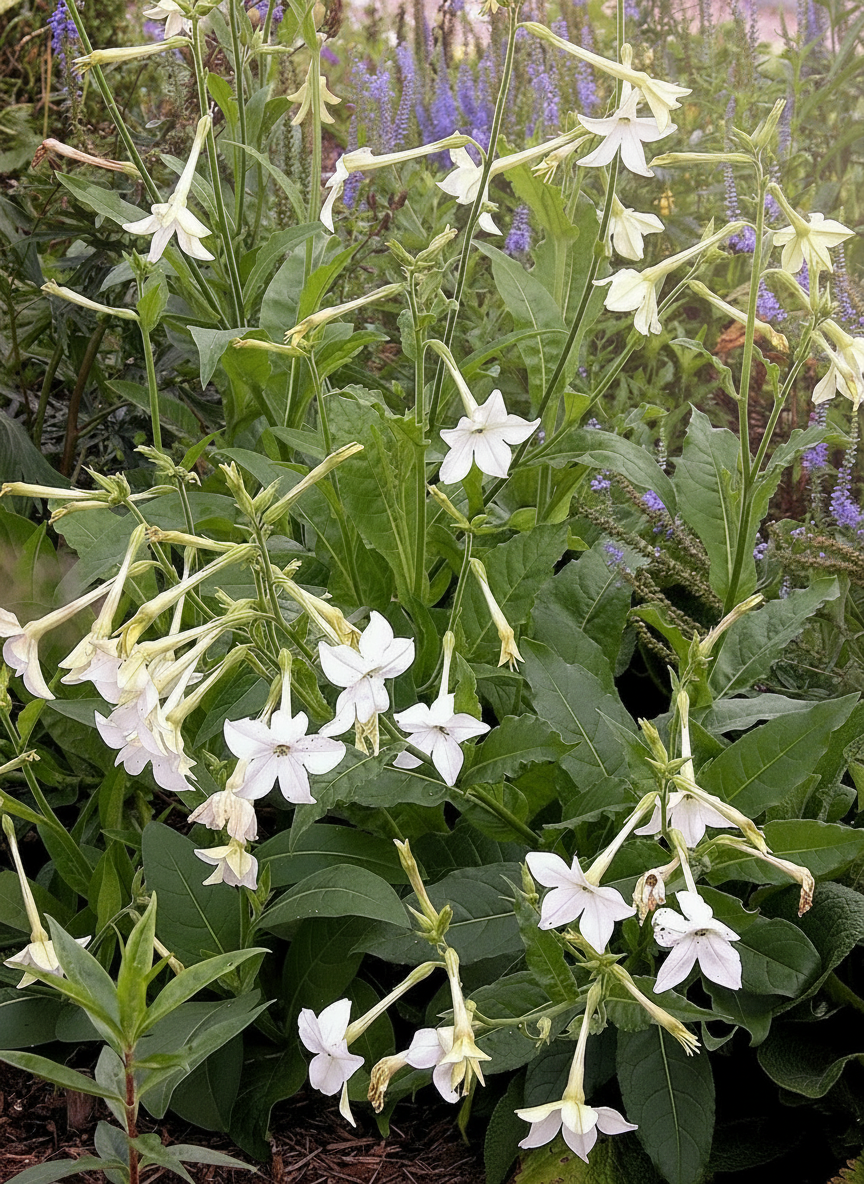
Our plant is Nicotiana 'Tinkerbell F2', a compact annual grown for its abundance of fragrant flowers. It stays around 35 cm tall, so instead of towering over the border it forms a richly flowering mound that works beautifully beside paths, on terraces and in containers.
For Hungarian gardens, this is especially useful. We can start it early under protection, plant it out once the cold nights are behind us, and then enjoy its flowers through the warm part of the year. The scent is one of its great pleasures, particularly when the air is still in the evening.
In this little book, we'll start with the tiny seed, learn how to raise the seedlings without burying them too deeply, choose the right position, cope with summer heat, keep the plants flowering, and decide whether to grow them in a border or a pot.
Ready? Let's grow something soft, fragrant and surprisingly generous.
1. Meet Ornamental Tobacco 'Tinkerbell F2'
Ornamental tobacco belongs to the genus Nicotiana, part of the nightshade family, Solanaceae. That makes it a relative of tomatoes, peppers and petunias, although this plant is grown for beauty rather than harvest.
Garden nicotianas come in many heights and colours. 'Tinkerbell F2' belongs to the compact group, often sold under the name Nicotiana nana. It is an annual, meaning it grows, flowers and finishes its life cycle in one season.
What makes Tinkerbell useful?
Its compact size makes it much easier to place than the tall old-fashioned tobacco flowers. At around 35 cm, it can sit at the front of a border, in a terrace pot, beside a path or in a mixed container without overwhelming its neighbours.
|
GOOD TO KNOW The Holland Kertészet packet is Horti Tops Ornamental Tobacco 'Tinkerbell F2' It is an annual, reaches about 35 cm and is described as richly flowering and wonderfully sweet scented. |
2. The Plant We Grow With You
The packet instructions give us a clear growing rhythm: sow from late winter into early spring in a seed tray at about 20°C, or sow under frames in early to mid-spring, then plant out in early summer.
At a glance
• Product: Ornamental Tobacco 'Tinkerbell F2'.
• Botanical group: Nicotiana nana / compact ornamental tobacco.
• Annual.
• Height: approximately 35 cm.
• Sow late winter to early spring at about 20°C, or under frames in early to mid-spring.
• Plant out in early summer.
• Recommended for borders and terraces.
• Rich flowering and sweet scented.
|
WHY THIS MATTERS Because Tinkerbell is compact, you do not need a large garden. A single sunny terrace pot can give you the full experience of this plant: foliage, flowers and fragrance. |
3. When to Sow in Hungary
In Hungary, ornamental tobacco benefits from an early protected start because it likes warmth and should not be planted outside while frost is still a realistic risk.
Late winter to early spring
If you sow in February or March, use a warm, bright indoor place or greenhouse. Around 20°C is a good target for germination, matching the packet guidance.
The challenge with early sowing is light. Warm rooms can make seedlings germinate quickly, but weak winter light can make them stretch. Once they appear, give them as much light as possible.
Early to mid-spring
March and April are often easier for beginners because natural light is stronger. A cold frame, greenhouse or sheltered propagation area can work very well.
When can they go outside?
Wait until the danger of frost has passed and nights are reliably mild. In many Hungarian gardens, this means May, but use your local forecast rather than a fixed calendar date.
|
A COMMON MISTAKE Planting out simply because daytime temperatures feel warm. Nicotiana is tender. One cold night can undo weeks of careful growing, so harden the plants off and watch the night forecast. |
4. Sowing Tiny Nicotiana Seed
Nicotiana seed is very small, which means the most important sowing rule is simple: do not bury it deeply.
Step by step
• Fill a tray or pot with fine seed compost and water it before sowing.
• Scatter the seed thinly over the surface.
• Press gently so the seed makes contact with the compost.
• Cover only very lightly, if at all, rather than burying the seed deeply.
• Keep the surface evenly moist and warm while germination begins.
• Move seedlings into strong light as soon as they appear.
Because the seed is tiny, bottom watering or a very fine spray is useful. A heavy stream from a watering can can wash seed into corners and leave you with a crowded patch instead of an even tray.
|
BEGINNER TIP Mix tiny seed with a little dry fine sand before sowing. It makes the seed easier to distribute and helps you see where you have already sown. |
5. From Seedling to Strong Young Plant
Once the seedlings appear, the work becomes easier. They need light, moderate warmth, careful watering and enough space to grow without crowding one another.
Pricking out
When seedlings are large enough to handle and have developed true leaves, move them into individual small pots or modules. Lift them by a leaf rather than squeezing the stem.
Do not overwater
Young nicotiana dislikes being kept in sodden compost. Keep the root zone moist but airy. Good drainage and some air movement help prevent weak, soft growth.
Hardening off
Before planting outside, gradually introduce the plants to outdoor conditions over roughly a week. Start with a few sheltered hours, then increase the time each day.
|
WATCH THE WEATHER Hungarian spring can move from warm sunshine to a sharp cold night very quickly. Keep young plants movable until you are confident the weather has settled. |
6. Finding the Right Place
Tinkerbell flowers best in a bright position. Full sun is excellent, although some light afternoon shade can be helpful in very hot, exposed gardens.
Soil
Use fertile but well-drained soil. Nicotiana appreciates moisture while growing, but roots should not sit in waterlogged ground.
Spacing
Give plants enough room for air to move around them. For a compact form such as Tinkerbell, around 20-25 cm between plants is a practical starting point in a border or large container.
Where it looks best
Use it near paths, seating areas, terrace doors and the front of mixed borders. The scent is wasted if the plant is hidden far away from where people spend time.
|
DESIGN IDEA Repeat three or five Tinkerbell plants along the edge of a terrace rather than planting one isolated specimen. Repetition makes the planting look deliberate and helps the fragrance feel more noticeable. |
7. Growing Tinkerbell in Pots
This variety is particularly well suited to containers because it stays compact and flowers freely.
Choose a pot with drainage
Use a container with drainage holes and a good-quality multipurpose compost. A pot around 25-30 cm across can hold a small group, depending on the container shape.
Watering containers
Pots dry much faster than open ground, especially during a Hungarian heatwave. Check them daily in hot weather and water thoroughly when the top layer begins to dry.
Feeding
Once flowering begins, a light liquid feed every couple of weeks can help container plants continue producing new buds. Avoid excessive nitrogen, which encourages leaves at the expense of flowers.
|
TERRACE TIP Place the pot close to where you sit in the evening. Ornamental tobacco is not only decorative; its fragrance is part of the reason to grow it. |
8. Watering, Feeding and Flowering
Tinkerbell likes consistent care rather than extremes. It should not be starved of water, but it also should not live in permanently soggy soil.
Watering in the ground
Water newly planted seedlings regularly while they establish. Once rooted, water deeply during dry periods instead of sprinkling the surface every day.
Deadheading
Remove faded flowers and spent clusters to keep the plant tidy and encourage more blooms. If you want to save seed, leave a few later flower stems to mature.
Feeding in beds
If the soil was improved before planting, heavy feeding is usually unnecessary. A modest general feed is enough if growth looks weak.
|
GOOD TO KNOW Rich flowering does not require rich feeding. Too much fertiliser can produce lush green plants with fewer flowers. Aim for steady growth, not maximum leaf production. |
9. Fragrance and the Evening Garden
One of the nicest things about ornamental tobacco is that it changes the character of a garden after the hottest part of the day has passed.
In calm evening air, the sweet scent can become much more noticeable. This is why nicotiana has long been used near terraces, windows and paths.
Plants to combine with it
Try Tinkerbell with alyssum, petunias, cosmos, verbena, marigolds or ornamental grasses. Pale flowers and silver foliage are especially beautiful as daylight fades.
Because Tinkerbell stays low, you can use taller plants behind it while keeping the scented flowers close to the edge where you can enjoy them.
|
AN EVENING MOMENT Do not evaluate a fragrant garden only at noon. Walk outside again after sunset. Still air, cooler temperatures and evening moisture can make the scent feel completely different. |
10. Common Problems and What They Mean
Tall, weak seedlings
Usually too much warmth and too little light. Move them into stronger light and avoid overfeeding.
Few flowers
Check light levels first. Too much shade or too much nitrogen can reduce flowering.
Yellow leaves
Check both watering and drainage. Constantly wet compost and severe drought can cause similar stress symptoms.
Aphids
Tender growth can attract aphids. Small infestations can often be washed off, and natural predators such as ladybirds and hoverflies are useful allies.
Plants stop after heat
Extreme summer heat can temporarily slow flowering, especially in containers. Keep roots watered, provide some afternoon protection if necessary, and continue removing faded blooms.
|
A COMMON MISTAKE Assuming every damaged leaf means disease. First check heat, water, wind and pests. Environmental stress is often the simplest explanation. |
11. Ornamental Tobacco Through the Hungarian Summer
May
Harden off and plant outside when frost risk has passed. Keep newly planted roots evenly moist.
June
Plants settle in quickly as temperatures rise. Pinch or tidy any weak stems and begin light feeding in containers if needed.
July and August
This is peak summer. Water early in the day, watch pots closely and deadhead to keep flowers coming. Afternoon shade can help on very exposed terraces.
September
Plants can continue flowering well into early autumn if weather remains mild. This is also the time to leave a few stems for seed if you want to experiment with saving it.
First frost
The season ends with frost. As an annual, Tinkerbell will not survive a Hungarian winter outdoors. Clear the plants once they have finished and start again next spring.
12. Saving Seed
Because Tinkerbell is an F2 hybrid strain, seed saved from your plants may not produce offspring identical to the original packet. That does not mean seed saving is pointless - only that the next generation may vary in height, colour or flowering habit.
If you enjoy surprises, allow a few seed capsules to mature fully on healthy plants. Collect them on a dry day once they are papery and brown, then dry the seed thoroughly before storage.
Keep seed in a labelled paper envelope somewhere cool, dark and dry. If exact Tinkerbell characteristics matter to you, buy fresh named seed the following season.
|
SEED SAVING NOTE F2 means the seedlings can be variable. Saving seed is fun for experimentation, but fresh commercial seed is the better choice when you want the compact Tinkerbell habit to be predictable. |
13. A Simple Ornamental Tobacco Calendar for Hungary
• FEBRUARY - Prepare seed trays and choose a warm, bright sowing place.
• MARCH - Sow indoors at around 20°C for an early start.
• APRIL - Continue protected sowing; prick out seedlings as they grow.
• MAY - Harden off and plant outside when frost danger has passed.
• JUNE - Water while plants establish and begin enjoying the first flowers.
• JULY - Deadhead, feed containers lightly and water during hot weather.
• AUGUST - Keep flowers coming with consistent watering and regular deadheading.
• SEPTEMBER - Enjoy late flowers and allow a few seed heads to mature if desired.
• OCTOBER - Clear plants after frost and store any fully dry seed.
|
THE RHYTHM OF THE PLANT Warm sowing, careful young plants, a long scented summer, then frost. Tinkerbell gives everything in one season and asks us simply to begin again next year. |
14. Your Ornamental Tobacco Cheat Sheet
• Variety: Nicotiana 'Tinkerbell F2'.
• Annual.
• Height: approximately 35 cm.
• Sow late winter to early spring at about 20°C.
• Alternative: sow under frames in early to mid-spring.
• Plant outside in early summer after frost danger has passed.
• Full sun to bright light shade.
• Moist but well-drained soil.
• Excellent for borders, terraces and containers.
• Deadhead for a longer display.
• Light feeding is enough.
• Enjoy the sweet scent especially in calm evening air.
• Saved F2 seed may not come true to type.
|
IF YOU REMEMBER ONLY FIVE THINGS Tiny seed. Warm start. Strong light. No frost. Put it close enough to smell. |
15. And Then One Evening…
The day has been hot, the watering is finished and the garden finally becomes comfortable again.
Along the terrace edge, the little Tinkerbell plants are still covered with flowers. They are not tall, they are not dramatic, and they do not need to be. Their strength is in abundance and scent.
You started them from seed when they were almost too small to see. You pricked them out, watched the weather, waited for the last frost and finally planted them outside. Now the plants have become part of your summer evenings.
One last walk around the garden
We began with a tiny packet and a warm seed tray. We learned not to bury the seed, gave the seedlings light, hardened them off, found a bright place and carried them through the heat of a Hungarian summer.
Now you know what Ornamental Tobacco 'Tinkerbell F2' needs, how to use it in a border or pot, why fragrance matters in the evening garden, and what to do when the season ends.
Until then, enjoy the flowers. And whenever you're ready to grow something new…
Come into the garden with me.