
A practical vegetable garden series
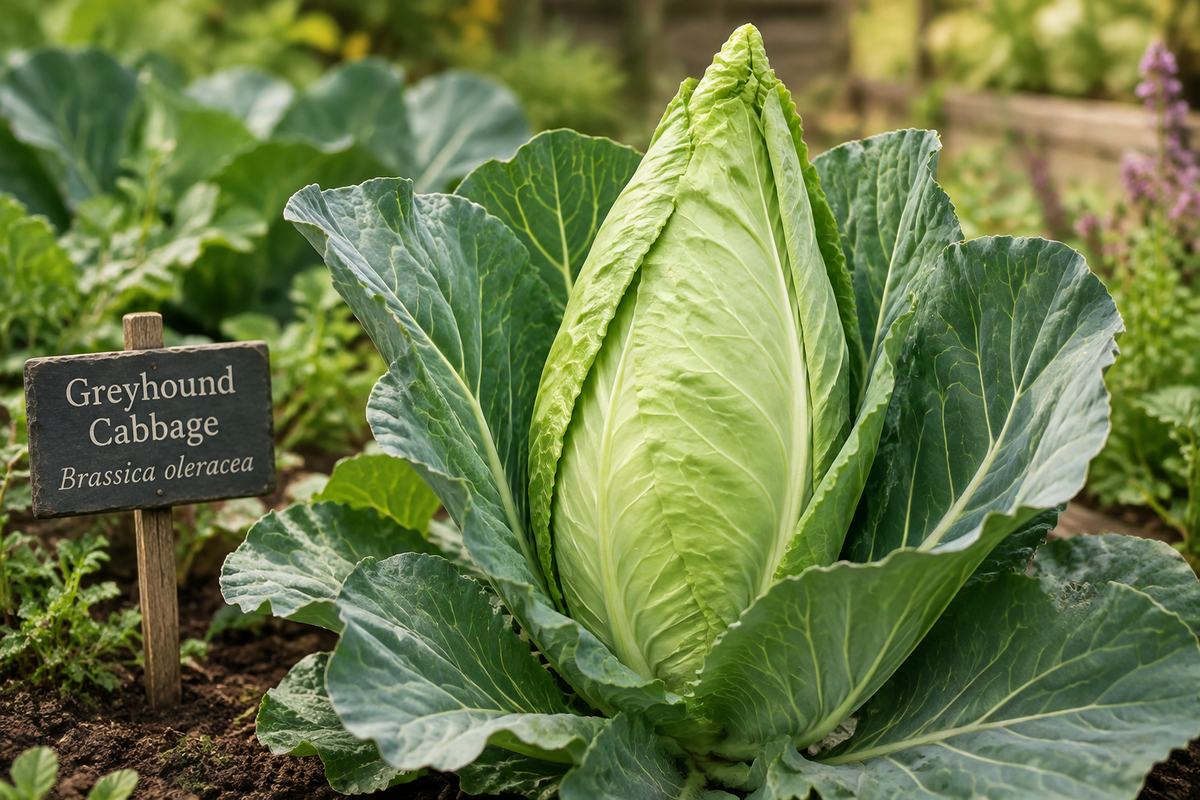
From a tiny seed to a crisp, pointed summer cabbage.
|
GROW WITH US Greyhound is an early pointed cabbage with a crisp, mild head. Sow in spring, give each plant fertile soil and steady water, and harvest as soon as the head feels firm. A few well-tended plants can provide fresh cabbage for summer meals. |
Written for home gardeners in Hungary
CHAPTER WELCOME
Your Greyhound cabbage season starts here
This book follows the whole journey: seed → seedling → garden → care → harvest → kitchen → next season.
Cabbage “Greyhound” is an early pointed cabbage that can reward a gardener sooner than many large, slow-growing cabbages. Start the seeds in spring, give young plants a sunny place and steady care, then harvest the firm, pointed heads for fresh meals. Its quick summer crop makes it a useful choice for a first cabbage patch.
Cabbage likes cool growing weather and rich, evenly moist soil. In Hungary, spring planting gives Greyhound a chance to form heads before the hottest part of summer. A later sowing can provide an autumn crop, but keep the young plants growing steadily and protect them from cabbage white butterflies and other hungry visitors.
Our Hungarian calendar
|
Late Feb–March |
Sow under cover for an early crop. |
|
April–early May |
Harden off and transplant sturdy seedlings. |
|
May–June |
Sow a later batch for autumn heads. |
|
June–July |
Transplant autumn crop; keep moist. |
|
July–September |
Check heads often as they fill. |
|
Late summer–autumn |
Harvest firm heads before splitting. |
|
WHAT I WOULD DO I would start a few seeds under cover in March, then raise a second batch in May for autumn. This spreads the harvest and gives the later plants a chance to grow as summer heat eases. |
The rule for this series: dates guide us, but the plant and the weather make the final decision.
CHAPTER 1
Meet Cabbage “Greyhound”
Let’s get to know this early, pointed cabbage before choosing a place for it in the garden.
“Greyhound” is a named variety of cabbage (Brassica oleracea, Capitata group). It forms a compact, pointed green head and is generally grown for a quick summer or early autumn harvest. Like other cabbages, it belongs to the brassica family, alongside kale, broccoli and Brussels sprouts. The heads are made of tightly packed leaves; each plant needs room, steady moisture and fertile soil to grow them well.
What makes Greyhound different?
|
Greyhound |
An early, compact pointed cabbage for summer or early autumn use. |
|
Storage cabbage |
Many later varieties make larger heads suited to autumn or winter keeping. |
A few helpful cabbage words
· Pointed cabbage: forms a cone-shaped head rather than a round one; Greyhound is an early pointed type.
· Early variety: bred to reach harvest sooner than many storage or winter cabbages.
· Head: the compact cluster of leaves at the centre of the plant; harvest when it feels firm.
· Brassica family: includes cabbage, kale, broccoli and Brussels sprouts; rotate crops to help manage soil-borne problems.
· Open-pollinated or F1: both can grow well; saved seed from an F1 hybrid may not come true-to-type.
· Cool-season crop: grows best in mild weather with enough water; hot, dry spells can slow or stress head formation.
|
GOOD TO KNOW “Greyhound” describes a named variety, while “pointed cabbage” describes its head shape. Check the packet for the best sowing window and final spacing for the seed you buy. |
CHAPTER 2
Choose Your Cabbage
A good cabbage choice fits your season, garden space and the meals you like to cook.
Ask yourself five questions
1. Do I want a quick summer head or a large cabbage for winter storage?
2. Can I give each plant a sunny place and room to spread its leaves?
3. Can I keep the soil evenly moist while the head forms?
4. Will I protect young plants from cabbage white butterflies?
5. Can I grow it away from last year’s cabbage-family crops?
A beginner-friendly first planting
|
A spring sowing |
Start a few seeds under cover for an early summer harvest. |
|
A later sowing |
Raise young plants in May or June for autumn use. |
|
Fine insect mesh |
Cover plants early to keep cabbage white butterflies away. |
|
Even moisture |
Water regularly while heads form, especially in warm weather. |
|
A COMMON MISTAKE Planting seedlings out without hardening them off. Sudden sun, wind or cold can check their growth. |
|
TRY THIS Sow a small early batch and a second batch a few weeks later. Compare when the heads become firm and ready. |
CHAPTER 3
Let’s Sow
Cabbage seeds are small and easy to start in pots or a seed tray. Raise sturdy young plants, then transplant them once they have several true leaves and the garden soil is workable.
When to sow in Hungary
For an early summer crop, sow in modules or a seed tray from late February to March, under cover in a bright, cool place. Harden plants off gradually and transplant in April or early May when they are sturdy and the ground is workable. For an autumn crop, sow outdoors or in modules in May to June, then transplant in June or July. Local weather varies: aim for young plants to establish before summer heat, and check the seed packet for the selected seed lot.
What you need
· Cabbage “Greyhound” seeds
· Seed tray or small pots with drainage holes
· Fresh seed-starting mix and a dibber or pencil
· Labels for the variety and sowing date
· A bright place that is not too hot
Sowing, step by step
1. Fill the tray or pots with moist seed-starting mix and level the surface.
2. Sow seeds about 1 cm deep, following the packet instructions.
3. Cover lightly, firm the surface and water gently.
4. Label the variety and date, then keep the mix moist but not soggy.
5. When seedlings emerge, give them plenty of light and good air movement.
|
DON’T PANIC A few floppy outer leaves after transplanting are common. Keep the root ball moist and give plants time to settle. |
|
A COMMON MISTAKE Letting the seed tray become hot or dry. Cabbage seedlings grow best with bright light and steady moisture. |
CHAPTER 4
Seedling School
Strong young plants make the transition to the garden more easily. Keep them bright, evenly watered and protected from pests.
Give seedlings light and room
As soon as seedlings are large enough to handle, prick them into individual small pots if they started together in a tray. Handle them by a leaf, not the delicate stem. Keep them in bright light and water when the surface begins to dry. A leggy, crowded seedling is harder to establish outdoors.
When should I pot them on?
Move seedlings to individual pots once they have their first true leaves and can be handled safely. Use a potting mix and keep the root ball intact. Before planting outdoors, harden plants off over about a week by giving them increasing time outside in a sheltered spot.
Water steadily
Keep the compost evenly moist while seedlings grow. After transplanting, water deeply so the root ball and surrounding soil settle together. Cabbages need regular moisture; repeated drying can check growth and lead to smaller or uneven heads.
Feeding
Cabbage is a hungry crop. Work mature compost into the bed before planting. If growth is pale or slow, check moisture, soil and pests first; use a balanced vegetable fertiliser only if needed and follow the label.
|
WHAT I WOULD DO I would plant on a cloudy day, water each seedling in, and cover it with fine mesh straight away. |
|
DON’T PANIC Heads can form at different speeds. Keep watering evenly and check each one by feel instead of judging by size alone. |
CHAPTER 5
Ready for the Real World
Hardened plants can move outdoors when they are sturdy and the garden is ready. A gentle transition helps avoid a check in growth.
Before transplanting: check the plants and the bed
1. Choose seedlings with several true leaves and a firm, healthy stem.
2. Water the pots before planting so the root balls do not fall apart.
3. Harden off for about a week in a sheltered position, bringing plants in during harsh weather.
4. Prepare fertile, well-drained soil in a sunny spot and remove weeds.
5. Plant at the same depth as in the pot, firm the soil and water well.
When is it ready in Hungary?
For a spring crop, transplant in April or early May, once the plants are hardened and the soil is workable. Avoid putting tender seedlings out just before a sharp cold spell. For autumn cabbages, set out summer-sown plants in June or July. Timing shifts with altitude, exposure and the year, so let plant size and local conditions guide you as well as the calendar.
A sheltered city garden may warm sooner than an exposed plot near Győr or a cooler upland garden. If nights remain cold, protect transplants with horticultural fleece. In summer, plant on a cooler, cloudy day if possible and water immediately; young cabbages establish better when they do not dry out.
|
A COMMON MISTAKE Planting cabbages in the same bed year after year. Rotate cabbage-family crops to help reduce soil-borne problems. |
|
GOOD TO KNOW Cabbage white caterpillars can strip leaves quickly. Inspect beneath leaves and use fine mesh before butterflies lay eggs. |
CHAPTER 6
Give Them a Good Home
Sun, fertile soil, sensible spacing and crop rotation give each cabbage room to form a good head.
The right place
Choose full sun and deep, fertile soil that holds moisture but drains well. Cabbages prefer firm, fertile ground rather than a very loose, freshly dug bed. Add mature compost before planting. Avoid a site where water stands after rain, and do not follow another cabbage-family crop in the same spot if you can rotate beds.
Spacing
For Greyhound, allow about 30–40 cm between plants and 45–60 cm between rows, checking the seed packet for the variety. Closer spacing can make smaller heads; wider spacing gives leaves more room and improves airflow. Leave enough space to reach the plants and remove weeds without stepping on the bed.
Planting day
1. Water the seedlings and prepare a weed-free, moist bed.
2. Set plants at the spacing on the packet; keep the growing point above the soil.
3. Firm soil gently around each root ball and water thoroughly.
4. Add labels with variety and planting date.
5. Cover young plants with fine insect mesh to exclude cabbage white butterflies.
Growing in pots
A large, deep container can grow one compact cabbage, but garden beds are easier to keep evenly moist. Choose a pot at least 40–45 cm wide with drainage holes, use fresh, nutrient-rich potting mix and water frequently in warm weather. Check the variety’s mature size and give its outer leaves room.
|
TRY THIS Keep a note of when the head first begins to fill. Next season, you can estimate the harvest window from your own garden. |
CHAPTER 7
Water, Feed & Keep Them Growing
Even moisture and steady growth help Greyhound form a firm, well-shaped head.
Watering
Water deeply at the base when the soil begins to dry, especially after planting and while the head develops. Hungarian summer heat can dry the root zone quickly. Pots may need daily checks in hot weather. Mulch can help hold moisture; avoid switching from a long dry spell to a sudden soak, which can contribute to splitting as heads mature.
Mulch
Once plants are established and the soil is moist, mulch lightly with mature compost or clean straw. Keep mulch clear of the stem. It helps conserve moisture and suppress weeds, but check underneath for slugs.
Feeding
Cabbages need fertile soil to make leafy growth and a firm head. If you added compost before planting, extra feed may not be needed. If plants look pale or growth is weak, check water, roots and pests first. Use a balanced vegetable fertiliser only according to its label.
Keep plants protected
Inspect leaves regularly for cabbage white eggs and caterpillars, aphids and slug damage. Fine insect mesh fitted soon after planting can prevent butterflies from laying eggs. Remove damaged outer leaves when needed, and avoid working among wet plants to limit disease spread.
|
WHAT I WOULD DO I would choose a fertile sunny spot, add mature compost and leave enough room for every plant to spread. |
CHAPTER 8
Leaves, Heads & “What Is That?”
A quick look at the leaves can help explain how the plant is growing and what needs attention.
Why is the head not forming?
A cabbage may take longer to head if it is stressed by dry soil, heat, crowding, poor nutrition or root damage. Check that it receives enough sun, has room and stays evenly moist. If the plant is healthy and still making outer leaves, give it time; early varieties can vary with weather and sowing date.
The beginner’s trouble guide
|
Head stays loose |
Heat, dryness, crowding or slow growth may be delaying heading. Check water, sunlight and spacing. |
|
Leaves have holes |
Inspect for caterpillars and slugs. Remove pests by hand or cover plants with fine mesh. |
|
Head begins to split |
A mature head may split after a sudden surge of water. Harvest promptly when firm and keep moisture steadier. |
|
Pale or slow growth |
Check soil fertility, water and roots. Add compost before planting; fertilise only as directed. |
|
Plant wilts after planting |
Transplant shock or dry roots may be the cause. Water deeply and shade temporarily in strong sun. |
|
DON’T PANIC An outer leaf may yellow as a cabbage grows. Remove only damaged leaves; the healthy centre leaves help build the head. |
|
A COMMON MISTAKE Waiting for an oversized head. Harvest when it is firm and well filled, before it loosens or splits. |
CHAPTER 9
Can I Pick It Yet?
Yes—and Greyhound is ready when its pointed head feels firm and well filled.
What “ready” looks like
The head should be compact and firm when you gently squeeze it, with a good pointed shape. Check it often once it begins to fill. Harvest before the head starts to split or loosen, especially after heavy rain following dry weather. Cut through the stem just below the head with a clean, sharp knife, leaving a few outer leaves if you like.
Harvest at the right time
|
Check the head |
It feels firm when gently squeezed and has filled its pointed shape. |
|
Harvest promptly |
Cut below the head with a clean, sharp knife. |
|
Keep it cool |
Refrigerate the whole head; wrap and chill cut portions. |
|
Use the leaves |
Slice raw for slaw or cook briefly to keep a little crispness. |
How often should I check?
Look over the plants every few days as the heads grow. Greyhound is an early type, but maturity depends on sowing date, temperature and growing conditions. Do not wait for a very large head if it already feels firm. A prompt harvest protects quality and leaves room to use the cabbage while it is fresh.
|
READY TO HARVEST? Gently squeeze the head. If it feels firm and compact rather than soft or loose, it is ready. Check it every few days and harvest before it starts to split. |
|
TRY THIS Compare the first firm head with one left a few days longer. Notice how firmness, size and leaf texture change. |
CHAPTER 10
From the Garden to the Kitchen
A fresh pointed cabbage is crisp, mild and useful in both quick meals and comforting dishes.
The first rule: keep it cool
Cut the head when you are ready to use it, then remove any damaged outer leaves. Rinse under cool running water and slice with a clean knife. Young cabbage can be eaten raw in slaw or cooked briefly by steaming, stir-frying or sautéing. Longer cooking softens the leaves for soups, stews and stuffed cabbage.
Match the cabbage to the dish
· Thinly sliced raw cabbage: toss with apple, carrot and a light dressing.
· Quick sauté: cook ribbons with onion, caraway or a little paprika.
· Soup or stew: add chopped cabbage near the end so it stays tender.
· Stuffed leaves: blanch whole leaves briefly until flexible, then fill and cook.
|
FROM THE KITCHEN Quick cabbage skillet: thinly slice fresh cabbage and sauté with onion, a little oil and caraway until just tender. Finish with salt, pepper and a splash of vinegar. |
Storing fresh cabbage
A whole, uncut head keeps best in the refrigerator or another cool place. Remove loose or damaged outer leaves and store it unwashed; rinse just before cooking. Once cut, wrap the remaining cabbage and refrigerate it, then use within several days for best quality.
When you have more than you can use
Cabbage can be shredded and frozen after blanching, though the texture will be softer when thawed. Fermentation is another traditional way to preserve cabbage; use a tested recipe and clean equipment. For a single Greyhound head, fresh meals, soup or a small batch of slaw may be simplest.
CHAPTER 11
Next Season Starts Now
A few notes about sowing, spacing and harvest help you plan next year’s cabbage patch.
Keep a tiny garden record
· Variety name and seed source
· Date seeds were sown and transplanted
· When the head began to form
· How firm and large the heads became
· Whether plants stayed free of caterpillars
· How evenly the soil stayed moist
· Whether you would grow Greyhound again
Saving seed and planning another crop
Cabbage is a biennial plant: it usually forms a head in its first year and flowers in the second after a cold period. Seed saving takes more time and space than harvesting a head. Start with healthy open-pollinated plants and keep them away from flowering related brassicas if maintaining a variety matters. F1 hybrids may not come true-to-type. For most home gardeners, buying fresh seed is easiest.
1. Choose a healthy open-pollinated plant with the head and growth you liked.
2. Leave it in the ground through winter only where conditions and variety allow.
3. Allow the plant to flower and set seed pods the following season.
4. Harvest pods as they dry, before they split and shed seed.
5. Dry fully, label with variety and year, and store cool and dry.
|
GOOD TO KNOW Greyhound’s early harvest makes it useful for fresh summer meals. It is not usually grown as a long-keeping winter cabbage. |
|
WHAT I WOULD DO I would harvest heads one by one as they firm up, then use the outer leaves in soup and keep the crisp centre for slaw or a quick sauté. |
COME GROW WITH ME
GREYHOUND CHEAT SHEET
The page to come back to when you have soil on your hands and no time to reread the whole book.
|
SOW |
Late February–March under cover |
May–June for autumn crop |
|
GERMINATE |
Bright, cool place; moist mix |
Do not let seedlings dry out |
|
POSITION |
Full sun; fertile, firm soil |
Keep well-drained and weed-free |
|
SPACE |
About 30–40 cm between plants |
Check the seed packet |
|
HARVEST |
When head feels firm and compact |
Cut before it loosens or splits |
|
Water |
Keep soil evenly moist while heads form. |
|
Feed |
Prepare the bed with mature compost. |
|
Protect |
Use fine mesh against cabbage white butterflies. |
|
Rotate |
Avoid following cabbage-family crops in the same bed. |
|
Harvest |
Check every few days once heads begin to fill. |
|
Next season |
Record sowing dates and how each batch performed. |
|
HUNGARY IN ONE LINE Start Greyhound under cover in spring, transplant sturdy plants into fertile soil, keep moisture steady through summer, and cut each pointed head when it feels firm. |
COME GROW WITH ME • CABBAGE GREYHOUND
Growing cabbage in home gardens. Seasonal guidance is adapted for Hungarian home gardens.